Digital banking has become an essential requirement for financial institutions looking to grow, remain competitive, and retain customers in 2026. The right digital banking platform can help banks streamline operations, improve customer experience, and indentify new revenue opportunities across the banking lifecycle.
The market opportunity is considerable. According to Statista, global net interest income in the digital banking sector is projected to reach $1.66 trillion in 2026 and grow to $2.20 trillion by 2030. To capture this growth, banks need digital banking software that can support scalability, efficiency, and ongoing innovation.
This article examines eight leading digital banking platforms in 2026, helping financial institutions assess which solutions are best aligned with their business and technology requirements.
Key Takeaways:
- Digital banking platforms are integrated software systems that enable banks to provide end-to-end digital financial services through digital channels, covering areas such as onboarding, account management, lending, payments, and customer engagement.
- Digital banking platforms are used across retail, corporate, and SME banking to support services and processes, including online account management, mobile banking, bill payments, invoicing, cash flow forecasting, and remote cheque deposits.
- Key benefits of digital banking solutions include lower operating costs, greater customer convenience, enhanced security, more efficient cash management and faster, data-driven decision-making.
- AI agents can support banking opperations by automating workflows, assisting with decision-making, improving service responsiveness, and identifying relevant insights from banking data. These capabilities contribute to greater operational efficiency and more effective customer service, alongside the wider use of AI-powered analytics, automation, and intelligent automation.
- Leading digital banking platforms in 2026 include Creatio, Appway, Oracle, Sopra, nCino, FinFlux, Finacle, and NCR Digital Insight.
What is a digital banking platform?
A digital banking platform is software solution that enables financial institutions, such as banks or credit unions, to provide core banking services through digital channels. These can include customer onboarding, account management, lending, payments, and customer engagement. By bringing traditionalyl offline processes online, digital banking platforms can help improve operational efficiency, service delivery and the overall customer experience.
Such software products can support financial institutions of different sizes and across a range of banking model. Common use cases and capabilities include:
- Managing loan and asset accounts with minimal human involvement.
- Sorting day-to-day banking activities, including deposits and lending.
- Transferring funds between current and savings accounts.
- Marketing automation and client database management.
- Extending core banking operations with new capabilities using no-code and low-code tools.
Digital banking software can help smaller banks attract more customers, while larger international institutions can reduce manual work through greater process automation.
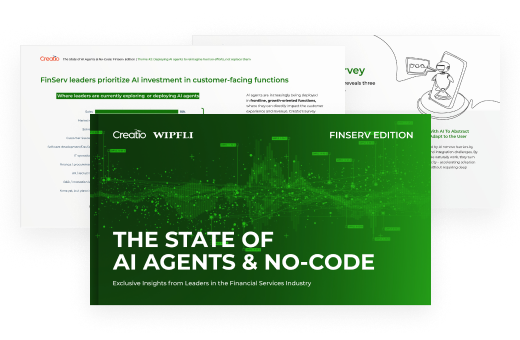
The State of AI Agents & No-Code: FinServ Edition
Learn how financial leaders use AI agents and no-code to fuel smarter transformation
Benefits of digital banking platforms
Digital banking software offers numerous advantages to banks and financial institutions. Some of the key benefits include:
Cost efficiency
Digital banking software provides substantial cost saving in several ways:
- Reduced staffing requirements: By allowing customers to platform tasks such as opening accounts or checking loans online, banks can operate with fewer staff members.
- Decreased physical space: As online banking becomes more prevalent, the need for physical branches diminishes, resulting in savings on rent and other associated building expenses.
- Paperless transactions: The adoption of digital banking significantly reduces the use of paper, thereby lowering costs for office supplies.
- Automated processes: Automation streamlines tasks, leading to increased speed and efficiency, which in turn reduces labour costs.
- Lowered transaction costs: Processing digital transactions is generally more economical compared to traditional methods.
Convenience
Digital banking tools offer customers the ability to manage their banking needs at any time and from virtually any location, including their mobile devices. For instance, account registration can be completed without the need to visit a physical branch; customers can accomplish this directly from their phones within minutes. This significantly accelerates the process of onboarding new clients, requiring only a few clicks to complete.
Additional conveniences include:
- Scheduled transfers
- Rapid customer service via chat or call-backs
- Budget tracking and management tools
- Digital loan applications and approvals
- Access to financial insights and advice
- Cross-platform accessibility (desktop, mobile, tablet)
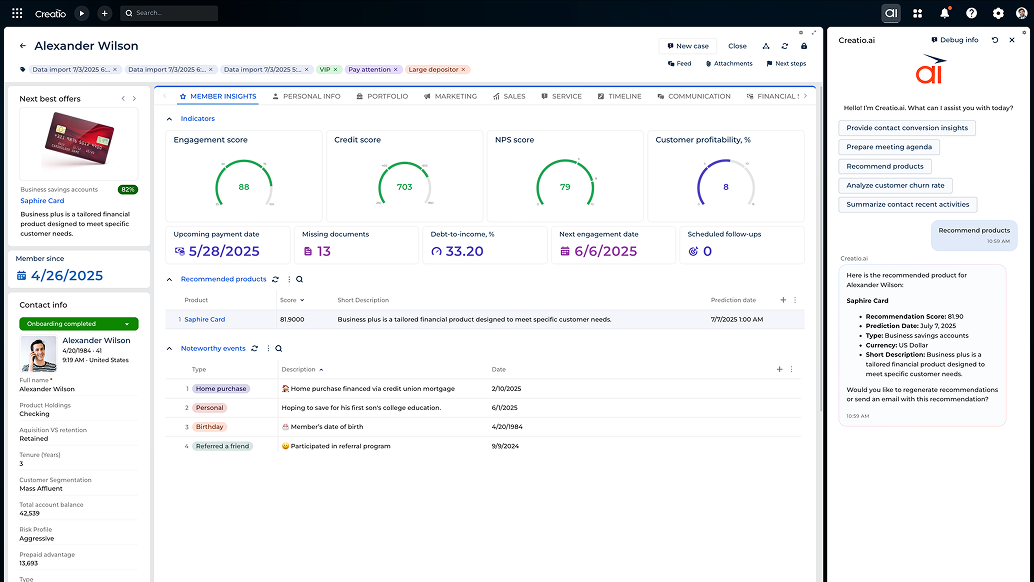
Member insight
Enhanced security
Concerns about the safety of digital banking are understandable; however, it is, in fact, highly secure. For instance, digital banking platforms can utilise advanced technologies such as facial recognition or fingerprint scanning to ensure that only authorised individuals can assess accounts. Consequently, in numerous respects, digital banking offers a level of security that is more stringent than that provided by traditional banking methods.
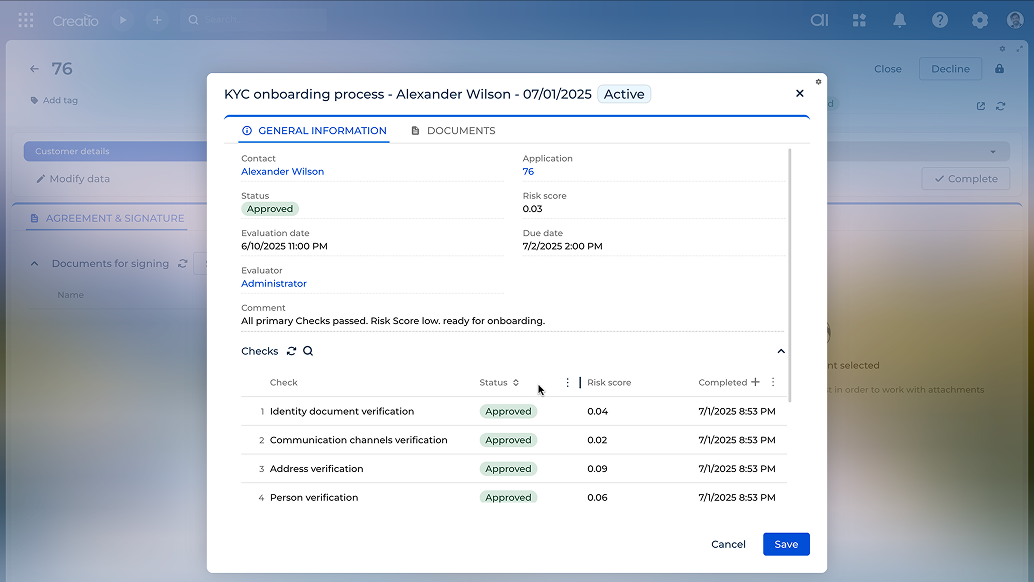
KYC (Know Your Customer) process in banking
Efficient cash management
Cash management functionalities are crucial for both banking institutions and their customers. Digital banking software acts as a meticulous overseer of all cash flows, akin to having a vigilant assistant. This capability enables both banks and their clients to manage their finances with greater precision and efficiency.
Streamlined decision-making
Digital banking software excels in analysing extensive datasets to reveal critical insights. It facilitates the tracking of effective strategies and those that require adjustment. The clarity of data presentation ensures interpreting these insights is a straightforward process. Furthermore, many advanced digital banking platforms leverage artificial intelligence (AI) and machine learning (ML) to conduct real-time and risk analysis.
How digital banking platforms are utilised
Digital banking software is not merely a contemporary enhancement but indispensable for any banking institution. It significantly improves the banking experience for both customers and professionals within the industry. Here are a several specific use cases that illustrate how digital banking software is transforming the sector:
Online account management
Bank managers can optimise lengthy procedures, such as account opening, by utilising digital banking solutions. Conversely, customers are no longer required to visit a physical branch or contact the call centre. They can efficiently check balances, view personalised statements, and transfer funds online.
Mobile banking
Mobile banking gives customers convenient access to everyday banking services from almost anywhere, allowing them to check account balances, transfer money and manage accounts while on the move. For financial insitutions, this can reduce the volume of routine transactions handled in person, helping to ease pressure on branch teams and reduce waiting times.
Increasing smartphone adoption and expanding internet access remain key drivers of mobile banking market growth. According to Fortune Business Insights, the market is projected to increase from USD 1.58 billion in 2025 to USD 3.66 billion by 2032.
Bill payment and invoicing
Handling bill payments and invoicing becomes remarkably straightforward with digital banking platforms. Customers can pay bills, set up recurring payments, and manage invoices with ease. For banks, this means fewer errors and a streamlined process requiring fewer human resources.
Cash flow forecasting
Cash flow management is one of the activities that can make or break a financial institution. Banking professional need a clear view of cash inflowa and outflows. Modern digital banking software provides clear pictures and data-driven insights into cash reserves in real time. At the same time, customers can gain a better understanding of their income and expenses, benefiting both financial institutions and their customers.
Remote check deposits
Until relevantly recently, depositing a cheque typically required a visit to a bank branch. Digital banking platforms now allos customers to submit cheques remotely by taking an umage and authorising the deposit digitally. For banks, this can reduce the amount of staff time required to process routine transactions.
The role of AI agents in digital banking
AI agents in banking are changing how automation is applied across banking operations, moving beyond assistance and recommendations towards greater task execution. Unlike traditional AI tools that primarily support employees with information and suggestions, autonomous AI agents can take action, complete defined tasks, and move processes forward across banking systems.
According to Creatio’s Agentic Banking Blueprint, AI agents can have a particularly significant impact in two areas:
1. Sales and growth lifecycle
In this domain, AI agents serve as a revenue-generating engine, turning fragmented data signals into coordinated actions. Key use cases include:
- Acquisition and expansion: identifying prospects with strong intent signals, as well as cross-sell and upsell opportunities, using behavioral and intent data.
- Onboarding: coordinating end-to-end onboarding processes, including document collection, verification, and compliance checks.
- Referral management: automatically identifying, routing, and tracking referral opportunities across business units.
- Retention and reactivation: detecting churn risk signals, initiating proactive engagement, and supporting win-back campaigns.
2. Service and experience lifecycle
AI agents can support more consistent service delivery, reduce cost of service and improve customer interactions by automating routine, rules-based workflows processes. Key use cases of agentic AI include:
- Customer consultation: providing round-the-clock, natural-language assistance for common enquiries and requests.
- Account servicing: automating routine actions such as profile updates, card services, and account maintenance.
- Application intake: streamlining eligibility checks to support higher levels of "straight-through processing" and reduce processing times.
- Transaction integrity: identifying payment anomalies and helping customers navigate more complex processes, such as wire transfers.
- Dispute and complaint resolution: classifying cases, gathering supporting evidence for disputes, and monitoring service-level agreements (SLAs) to support faster resolution and improve customer satisfaction.
By integrating agentic AI into sales and customer service workflows, banks can move beyond basic process digitisation towards more proactive, data-led operations. This can help financial institutions improve operational efficiency, reduce service costs, provide more responsive and personalised customer experiences, and identify new revenue opportunities across the entire customer lifecycle.
The Agentic Banking Blueprint
Strategic framework for adopting AI agents in banking
— responsibly, measurably, and at scale.
Eight leading digital banking platforms in 2026
Selecting the appropriate digital banking software is paramount for providing seamless online banking services for your clients. With countless options available, we have curated the top digital banking software solutions, assessed on user-friendliness, security, and innovative features.
| Digital Banking Platform | Best for |
| Creatio | End-to-end agentic banking CRM and workflow automation. The platform is specifically known for its "no-code" approach to automating the entire customer journey and operations with autonomous AI agents. |
| FNZ (Appway) | Workflow orchestration for wealth management. Supports complex customer onboarding and lifecycle management processes across private banking and wealth. |
| Oracle | Large-scale enterprise banking operations. Designed to support high transaction volumes and operations across multiple countries and currencies. |
| Sopra | Composable systems for core banking and lending. A modular platform with capabilities designed to support regulatory compliance across retail banking and asset management. |
| nCino | Loan origination, account opening and CRM. Built on Salesforce, the platform supports commercial and retail lending processes from application to account management. |
| FinFlux | Microfinance and loan lifecycle automation. Designed for high-volume, small-value lending and financial inclusion institutions. |
| Finacle (Infosys) | Universal digital banking and embedded finance. A scalable platform with a composable architecture thay supports a broad range of digital banking models. |
| 8Mambu | Cloud-native, composable core banking. This digital banking solution provides API-first architecture, which is a great option for neobanks and digital-only brands. |
1. Creatio
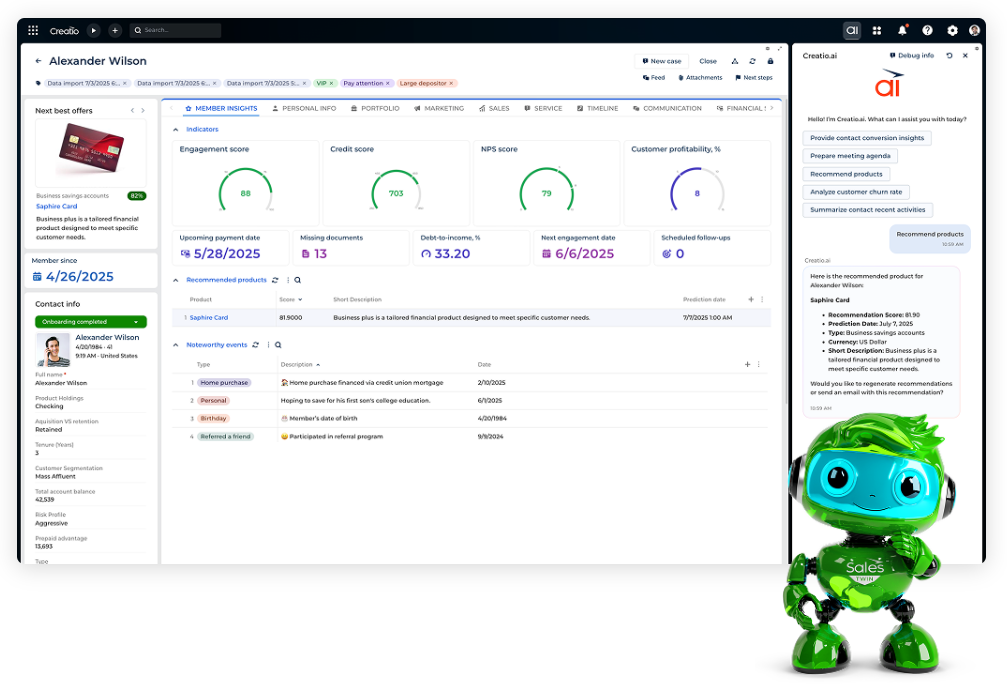
Creatio provides an agentic CRM and no-code solution designed to help financial institutions streamline and automate their digital banking operations. Unlike traditional digital banking solutions that address individual processes, Creatio supports end-to-end coordination of customer-facing and operational workflows across the entire banking lifecycle.
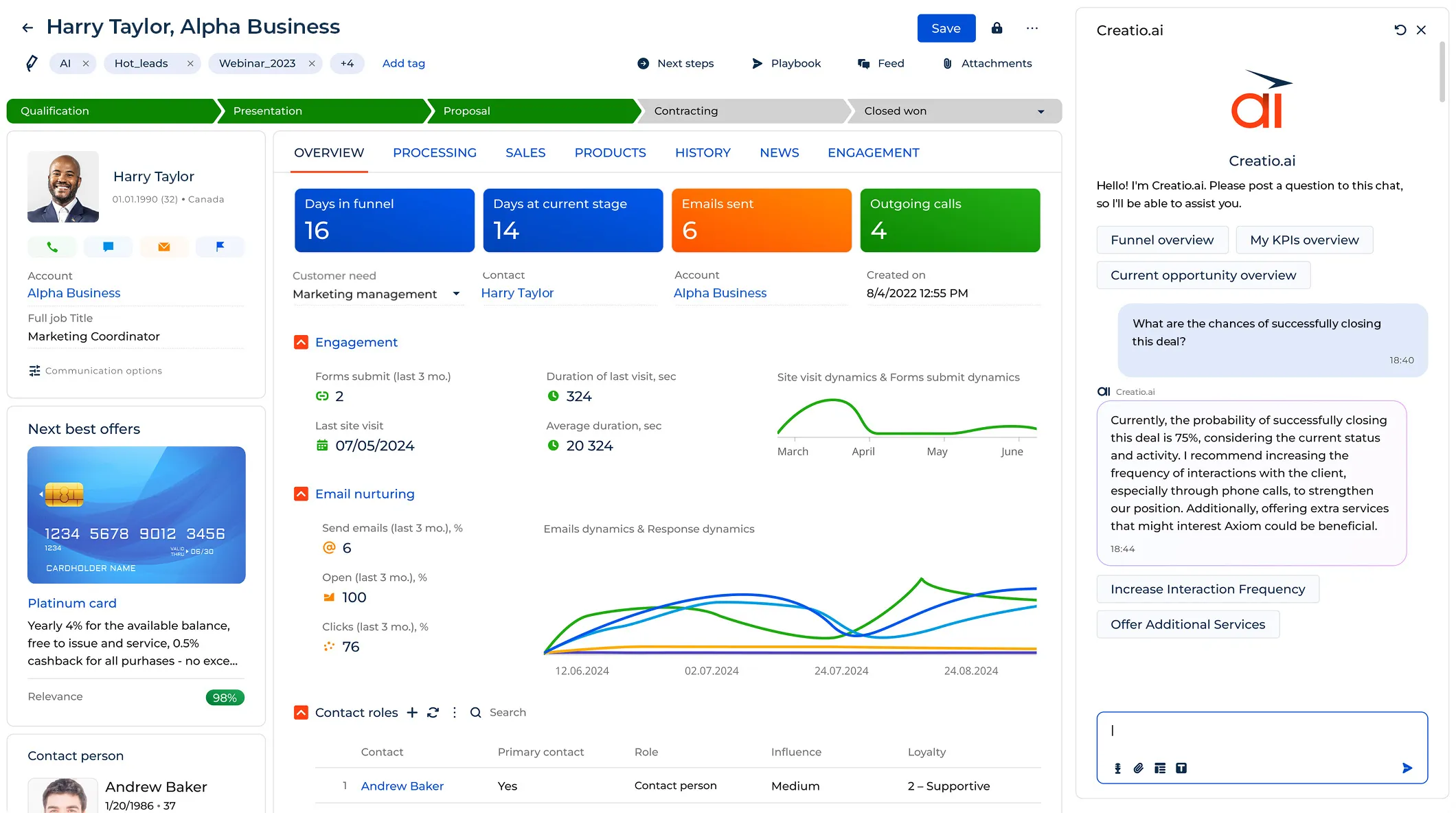
The platform empowers banks to acquire and retain while supporting the development of existing customer relationships through AI-driven insights, recommendations, and next-best actions. AI agents can analyse behavioural and transactional data to identify cross-sell and upsell opportunities, initiate timely engagement and help bankint teams make faster, better-informed decisions.
Creatio’s AI-assisted no-code capabilities and composable architecture enable financial institutions to build, customise, and adapt digital banking systems more efficiently. Visual development tools allow business teams to design workflows, automate processes, and integrate with core banking systems with less reliance on extensive coding or specialist IT resources.
According to Nucleus Research, financial institutions using Creatio have reached up to 70% faster workflow delivery and reductions in technology costs of up to 30%, demonstrating improvements in operational agility and efficiency.
Key capabilities include:
- Ready-to-use banking AI agents. Designed to automate specific banking operations while retaining human oversight: referral agent, renewal agent, retention agent, customer onboarding agent, loan preparation and servicing agents, and many more.
- Customer lifecycle workflows. Support processes across customer onboarding, lead and referral management, marketing campaigns, sales, revenue management, and customer service.
- Product fulfillment workflows. Automate back-office processes across deposit accounts, retail loans, credit cards, mortgages, wealth management, and insurance domains.
- Operation management tools. Support account maintenance, payments, and commercial sales, alongside pre-build banking workflows
- Compliance and risk management. Ready-to-use capabilities for managing compliance, mitigating risk, and generating reports.
- AI-enhanced no-code tools. Enable the customisation of digital banking applications, workflow automation, and the development of new solutions without traditional coding.
- AI-powered analytics and decision support. Help banking teams prioritise opportunities, aniticipate customer needs, assess risk, and make more informed decisions.
- Integration capabilities. Support connectivity with core banking systems, document management platforms, and third-party applications.
Pricing
Creatio offers a composable pricing model, allowing banking institutions to select and pay for the products they require. The core Creatio agentic platform is available in three plans: Growth at $25, Enterprise at $55, and Unlimited at $85 per user per month, with AI capabilities included across all three plans. Creatio Sales, Creatio Marketing, and Creatio Service can also be added to the core platform, with each product priced at $15 per user per month.
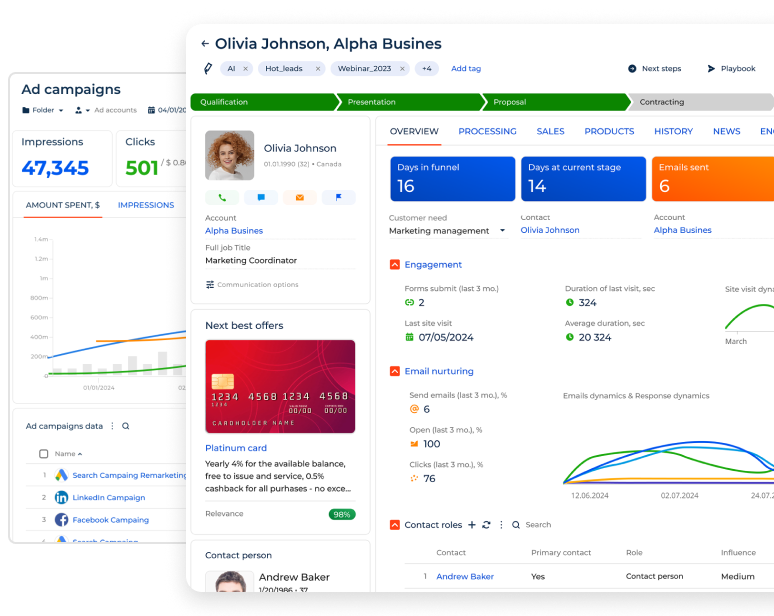
Creatio's Agentic CRM
Empower your sales, service, marketing and ops with a unified agentic CRM
2. Appway
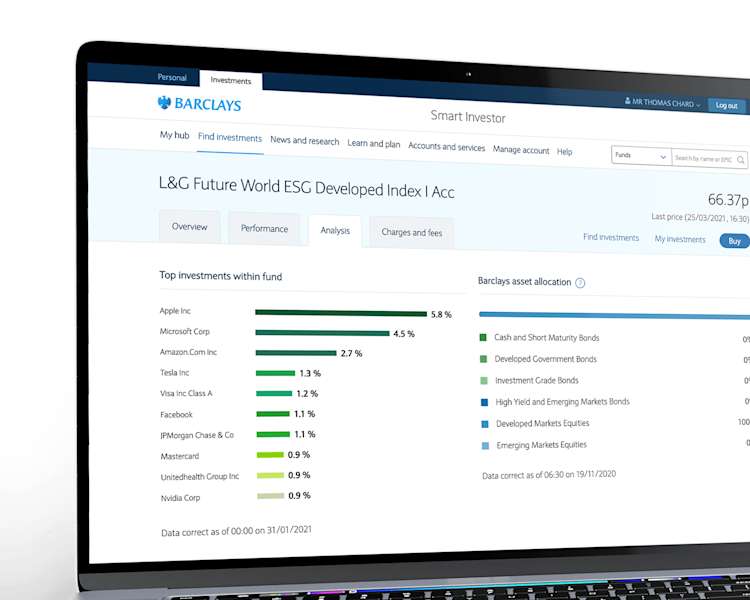
Founded in 2003 and headquartered in Wellington, New Zealand, the FNZ group acquired the Appway Digital Banking platform, which is known as FNZ. This platform serves numerous banks and financial institutions globally, enabling the development of intelligent workflow management processes. FNZ aims to provide financial institutions with tangible improvements in their cost-to-income ratio.
Key capabilities include:
- Know your customer (KYC) management
- Regulatory reviews of the customers and loan applications
- Client administration
- Compliance management
- Integrations with external applications
Pricing
The pricing is not publicly available.
3. Oracle
Oracle Banking Digital Experience is a comprehensive, SaaS-based digital banking platform. One of Oracle’s primary strengths lies in its hot-pluggable features, enabling banks, insurance companies, and financial institutions to swiftly add new functionalities to their banking solution menu or remove less essential ones.
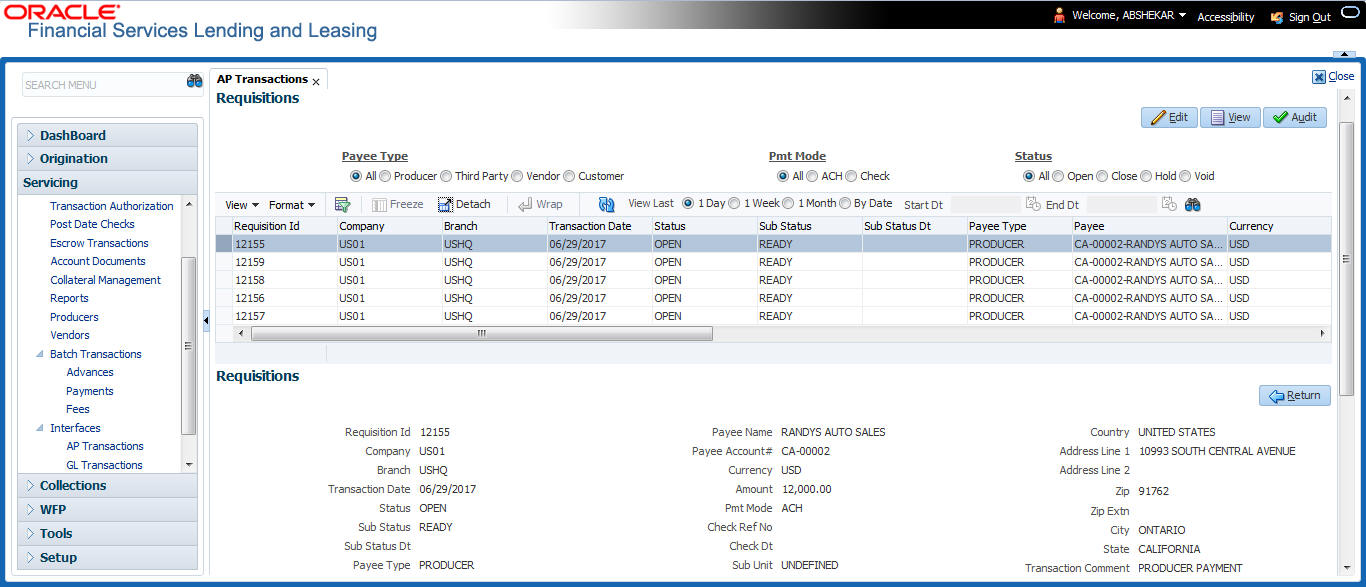
Key capabilities include:
- Document upload, storage, and management
- Unified customer touchpoint experience
- Integration of retail, corporate, and SME banking sevices within a unified framework
- P2P payment management
- Integration with iMessage, Siri, and social media platforms
- Digital wallet with comprehensive wealth management tools
Oracle serves three main areas as a digital banking platform: retail origination or customer onboarding, payment management and transfers, and platform-based solutions through a self-service portal.
Pricing
Oracle offers subscription-based pricing with costs depending on the size of the financial institution, selected modules, and deployment approach.
4. Sopra Banking Software
Sopra Banking Platform provides financial institutions and banks with a cloud-based, programmable, and highly customisable service. The digital banking platform delivers a range of banking services, including payment handling, loans and asset management, and compliance management.
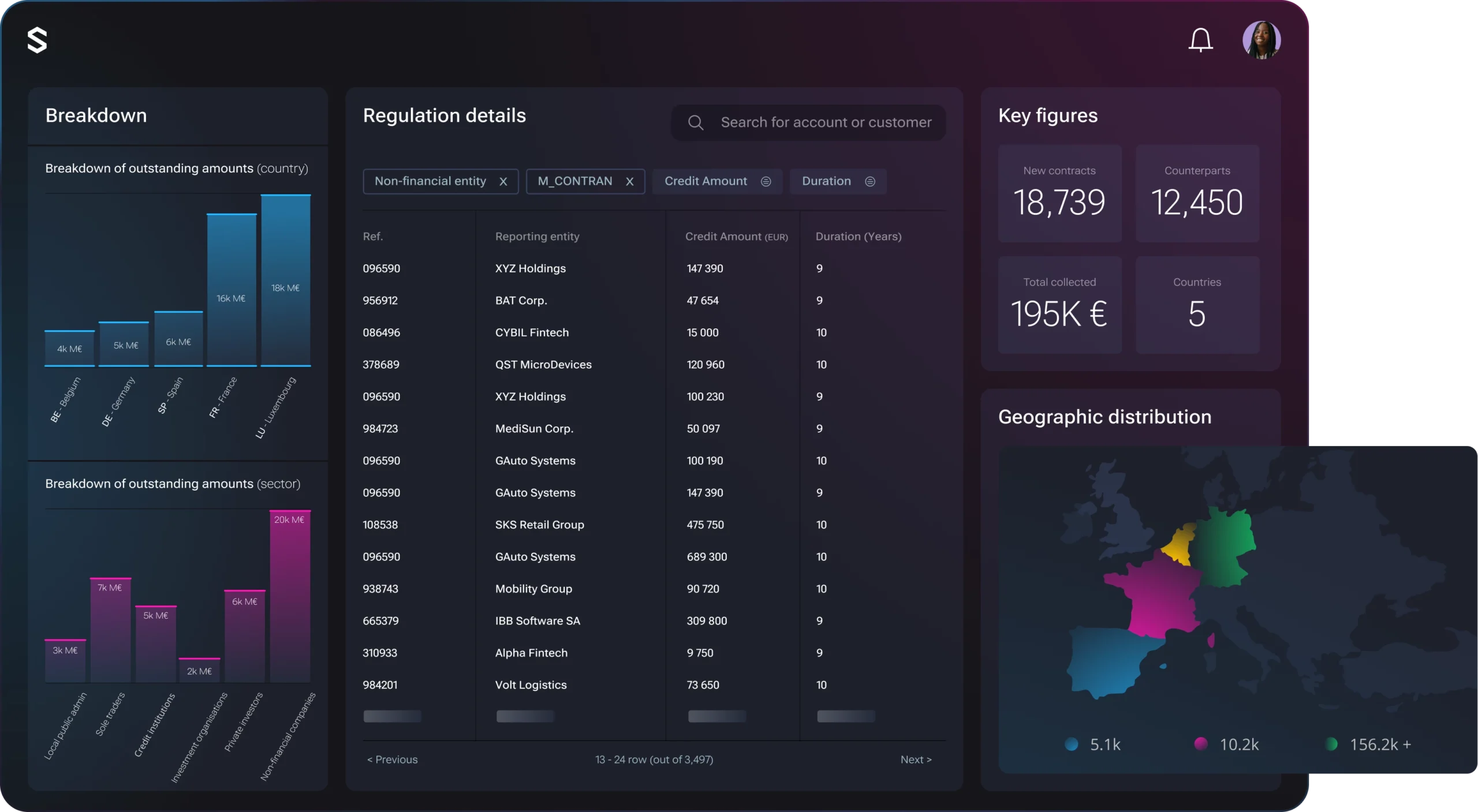
Key capabilities include:
- Payment processing with seamless integration to external payment platforms such as Google Pay and ApplePay
- Regulatory reporting and adoptable compliance management
- Compatibility with extensive API platforms such as AWS and Axway
Pricing
Sopra Banking Software does not publish pricing information. Costs are provided on a quote basis and vary according to specific requirements.
5. nCino
Established in 2011 and headquartered in North Carolina, the nCino Bank Operating System is an intuitive and user-friendly digital banking platform designed to streamline retail banking and loan management processes.
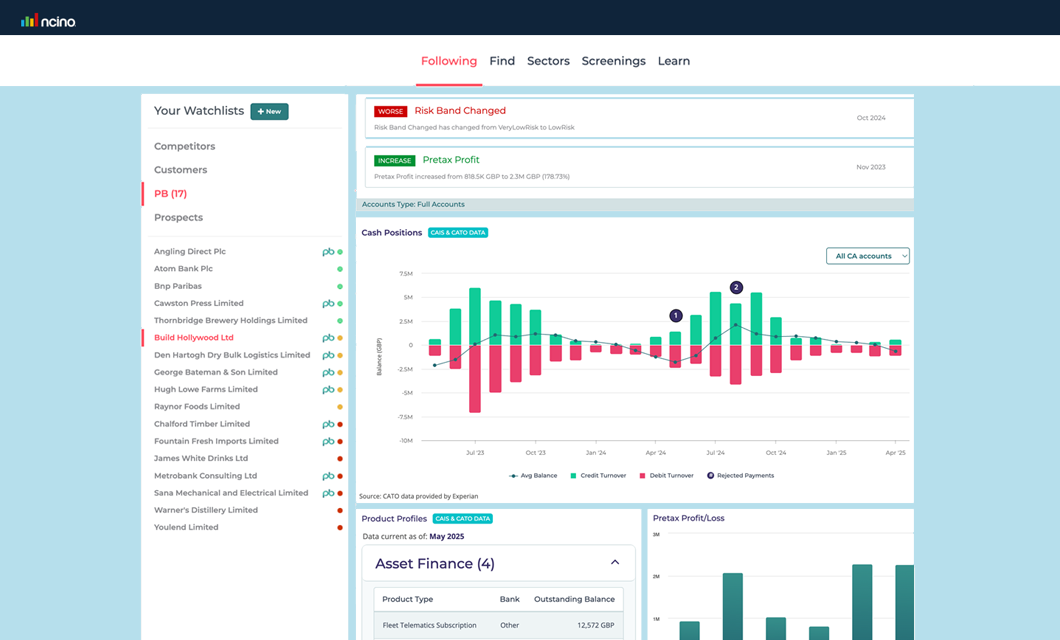
Key capabilities include:
- Account opening and onboarding
- Management of consumer, SME, and corporate loan
- Portfolio insights and analysis
- Document management tailored for large enterprises
- AI-enhanced banking operations, known as nCino IQ or nIQ, offering low-code automation solutions
Pricing
nCino provides personalised pricing, depending on the size and requirements of the financial institution. Further pricing informations is available directly from the sales team.
6. Finflux
Finflux is a cloud-based platform specialising in automation and digital banking. The company serves over 20 million active individual customers and more than 60 institutional clients across 15 countries. Finflux is committed to enhancing the efficiency of financial and banking service delivery.
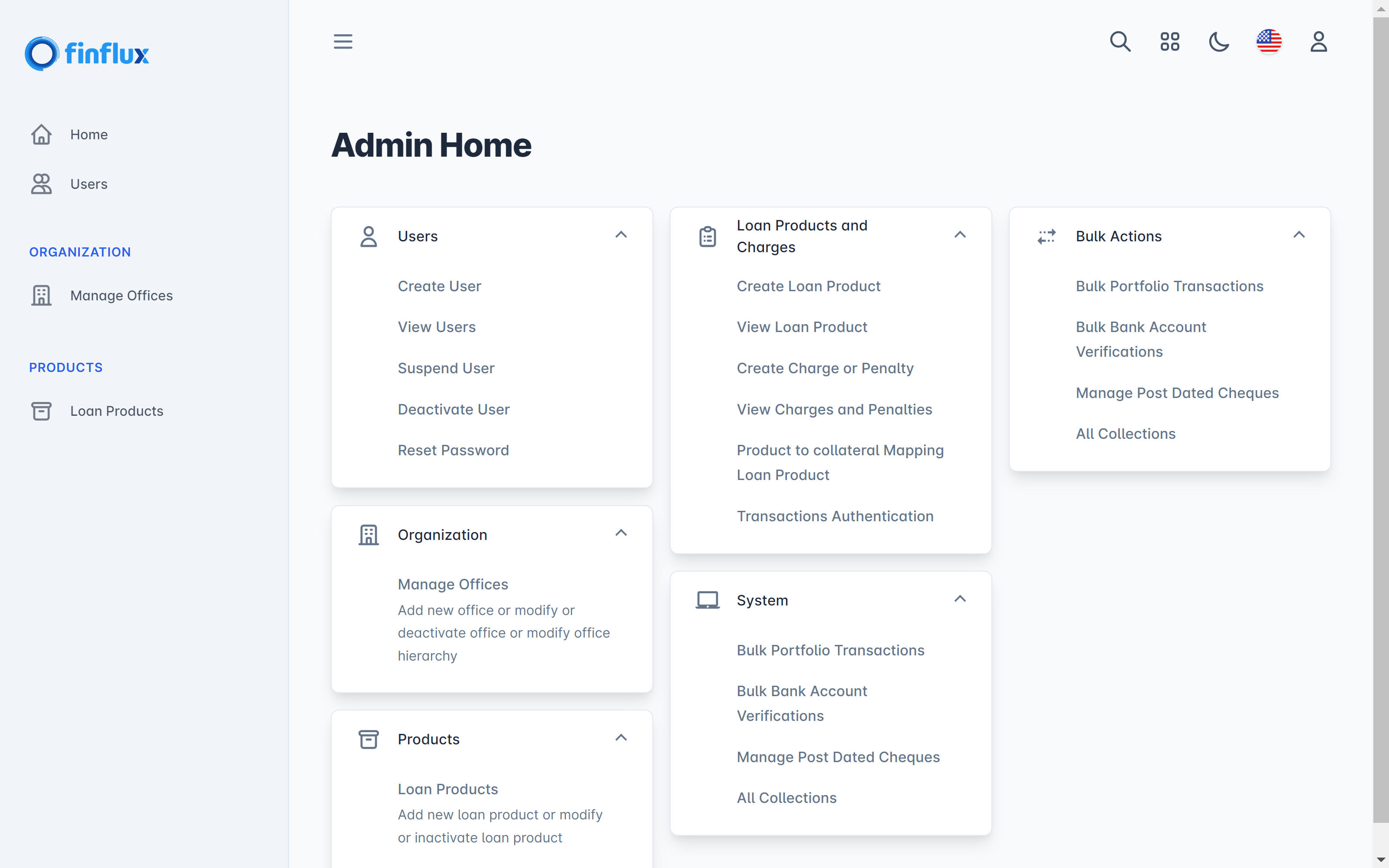
Key capabilities include:
- Automated debt collection system
- Loan management
- Lending operations
- Detailed liability and asset management with actionable insights
- Optimised gold loan system for effective portfolio management
- Holistic management of the customer journey
Pricing
Pricing is available on request.
7. Finacle
Founded in 2000, Finacle is a well-established banking software platform used by mid-sixed and large banks and financial institutions worldwide. Since the launch of Finacle’s online banking platform, the company has maintained a strong focus on digital banking and customer experience. The platform is designed to simplify banking journeys and support more efficienct service deliery.
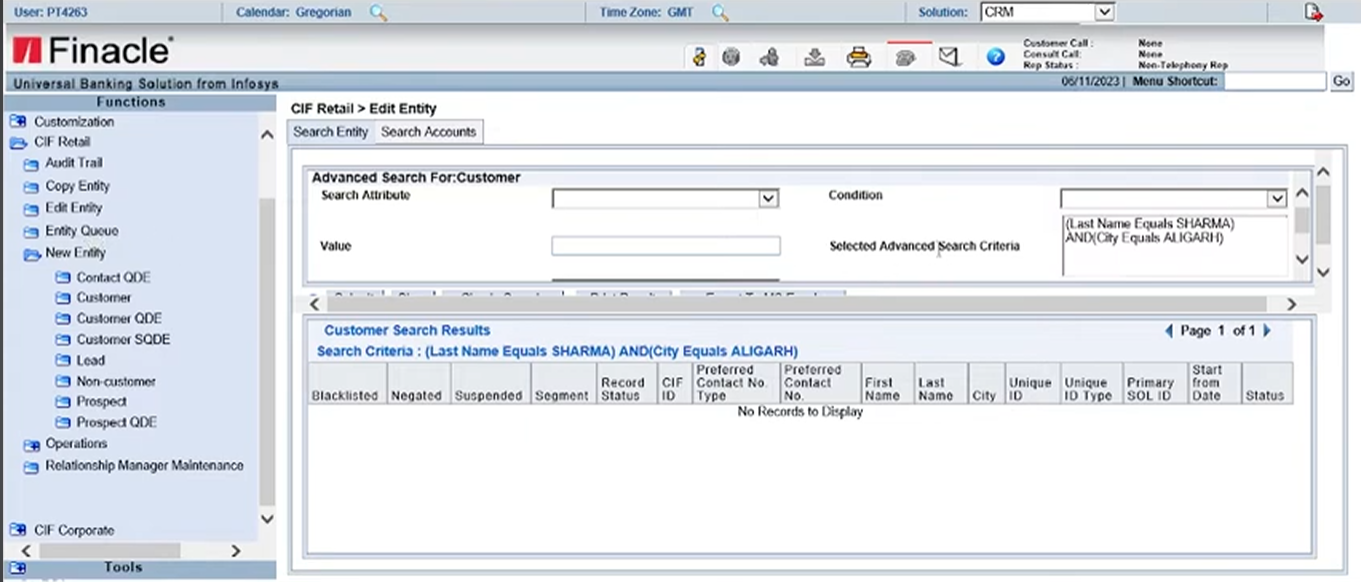
Key capabilities include:
- Cash management
- Corporate banking
- Digital engagement tools
- Trading management platforms with automation capabilities
- Payment handling and fund transfers
- Liquidity management
- Automaton of Lending processes
Pricing
Finacle does not publicly disclose its pricing. Further information is available on request.
8. Mambu
Mambu is a cloud-native, composable banking platform that supports deposits, lending and payments. It enables financial institutions to develop and launch financial products with greater flexibility and scalability, while supporting faster implementation.
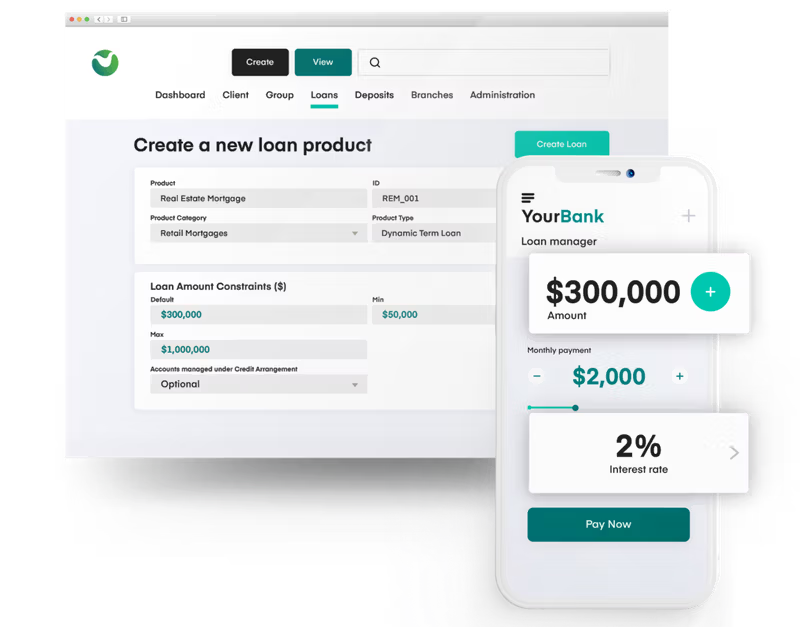
Key capabilities include:
- Lending and deposits management
- Transactional banking
- Virtual account management
- Composable API-first architecture
- Low-code interface to change and configure workflows
Pricing
Mambu does not publicly disclose pricing for its cloud banking platform. Further information is available on request.
Conclusion
Digital banking software has become an essential part of modern financial services, as both retail and business customers increasingly expect convenient access to banking services through digital channels.
However, implementing and adapting digital banking solutions can present challenges, particularly where significant IT resources are required. Creatio addresses this with a no-code platform that supports the automation of banking processes across lending, compliance management, marketing, and customer service.