




































































Creatio: Your Complete CRM Solution Powered by AI

CRM tools are vital for streamlining customer-facing processes, from lead generation and sales automation to efficient customer service resolution. Internally, these tools organize customer data, automate tasks, and accelerate profitability. Externally, they enhance customer satisfaction and retention.
This article provides insights into choosing the best CRM software for your company. It covers common tools, key features to consider, and top-rated options based on reviews and industry analysis.
Key Takeaways
- CRM is customer relationship management software that enables businesses to effectively manage relationships with customers, streamline business processes, and support data-driven decisions.
- When choosing a CRM, businesses should focus on functionality, scalability, AI capabilities, integration options, and how well the platform fits their specific customer journey.
- The best all-in-one CRMs include Creatio, Salesforce, HubSpot, Zoho, and Microsoft Dynamics 365 due to their broad capabilities and advanced features.
- The best sales CRMs are Creatio Sales, Pipedrive, and Close CRM.
- The best marketing CRMs include Creatio Marketing, Mailchimp CRM, and Keap.
- The best customer service CRMs are Creatio Service, Zendesk, and Freshdesk.
What are CRM Tools?
CRM (Customer Relationship Management) tools are software applications designed to help businesses manage interactions with customers and prospects, organize customer data, and automate routine customer engagement activities, such as sending out nurturing emails. In addition to streamlining processes related to customer relationships, CRM tools also offer comprehensive data analytics to support decision-making.
Customer relationship management software typically includes a range of features and functionalities designed to build strong customer relationships, boost the company's productivity, increase sales, and enhance overall customer satisfaction. They are often divided into three categories as per the main use cases: sales tools, marketing automation tools, and customer service automation tools. These CRM tools can be purchased separately or as an all-in-one CRM software that covers the entire customer lifecycle.
Best CRM Tools
1. Creatio
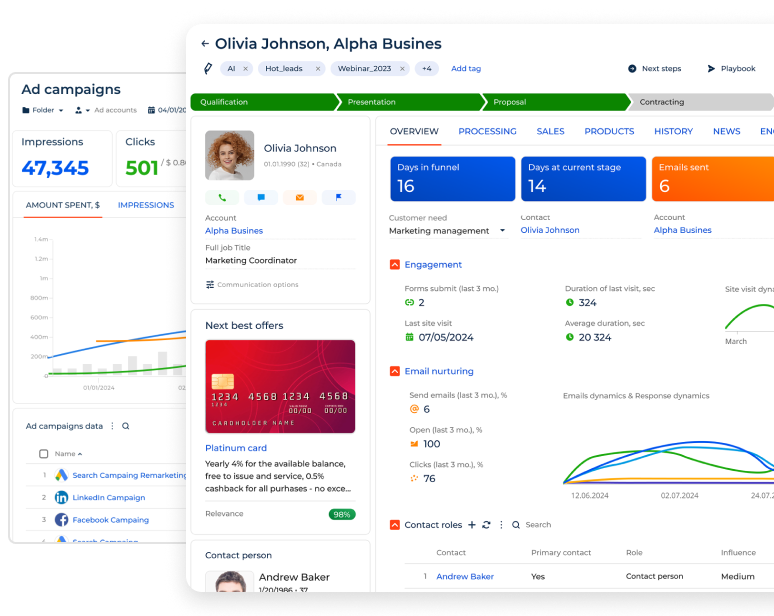
Creatio CRM is a new era CRM to manage all customer and operational workflows with no-code and AI at its core. It unifies sales, marketing, and customer service capabilities within a single ecosystem, empowering businesses to streamline the entire customer journey. Creatio provides a 360-degree customer view, consolidating all customer interactions, communications, and historical data into a single platform, helping teams make informed decisions and personalize customer engagement.
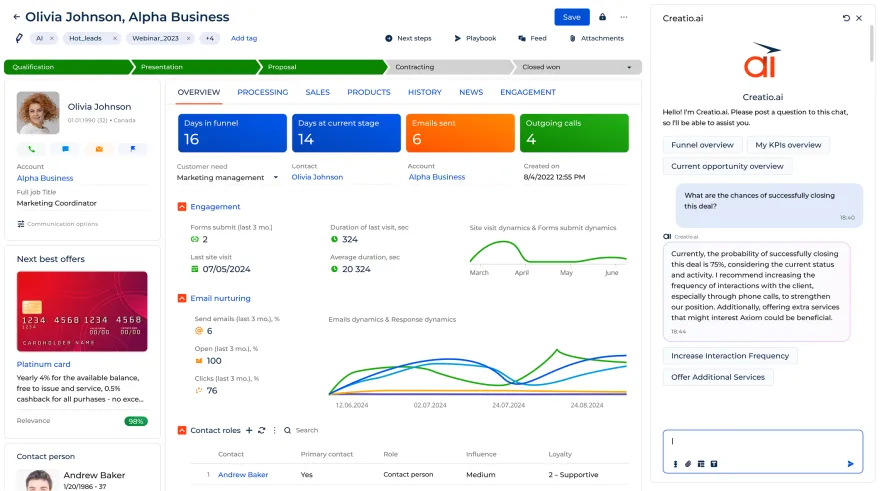
Creatio is an AI-native CRM software that enables users to work with AI agents using natural language as the default interface for navigating the system and automating tasks. While employees focus on building relationships with customers, engaging in creative work, and implementing strategic initiatives, AI agents handle repetitive tasks, provide actionable insights and recommendations, and support data-driven decision-making. By leveraging AI agents, teams can enhance their productivity, deliver hyper-personalized customer experiences, and drive revenue growth.
Built on a no-code platform with a composable architecture, Creatio enables organizations to design, automate, and optimize complex workflows without requiring technical skills. Creatio CRM solution integrates with a wide range of external systems and can scale to meet growing operational demands, making it a strong fit for companies seeking a long-term CRM tool that can evolve with their needs.
Key Creatio features:
- Agentic CRM that natively integrates AI capabilities
- Creatio Sales streamlines sales processes and empowers teams with AI-driven sales automation
- Creatio Marketing provides AI-enabled, personalized campaigns to increase customer engagement and conversion rates
- Creatio Service offers intelligent service tools that support fast resolutions and help increase customer satisfaction
- Role-based AI agents that support service, sales, and marketing teams in their daily tasks
- Customizable CRM with a library of composable apps
- Rich no-code tools for UI/UX development, workflow automation, and more.
- Industry-specific workflows for over 20 verticals
- Real-time analytics and business intelligence tools
- Enterprise-grade security and AI governance
- An extensive Creatio Marketplace with over 700 third-party applications
Pricing:
Creatio offers a composable pricing model, meaning you can purchase the all-in-one CRM solution or separate products. You can choose between traditional per-seat pricing and an Unlimited model, which guarantees unlimited users, workflows, applications, AI agents, and custom objects for large-scale automation and AI initiatives.
2. Salesforce
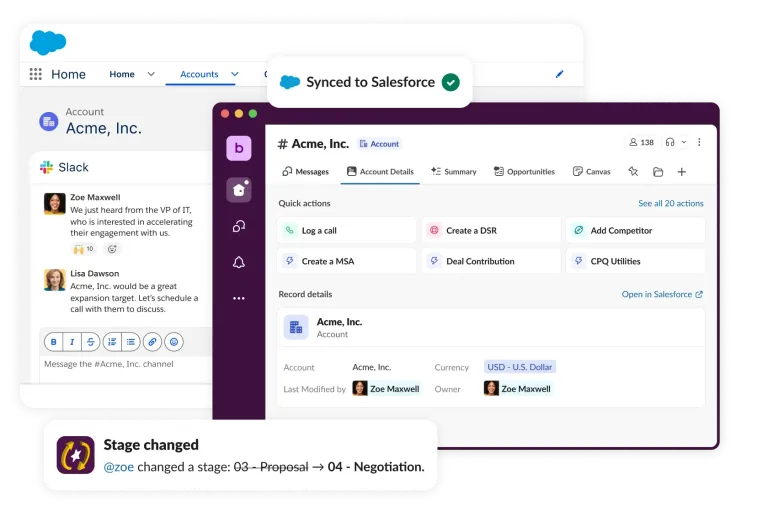
Salesforce is a legacy provider of a customer relationship management platform and business automation software designed to support a wide range of business functions, including sales, marketing, customer service, analytics, and operations. Salesforce CRM software empowers users to increase their productivity with AI capabilities that help generate lead follow-up plans, create more engaging marketing campaigns, and close cases faster. Centralizing customer data, automating business processes, and integrating with third-party applications enables teams to collaborate more effectively and gain a unified view of their customers. Salesforce’s biggest drawbacks are its high total cost of ownership and complexity, which can make setup, customization, and ongoing management challenging without dedicated technical resources.
Key features:
- Sales Cloud supports sales teams with built-in AI capabilities from lead management to sales forecasting
- Service Cloud streamlines customer service processes and improves customer experiences
- Marketing Cloud helps marketing professionals engage customers more effectively and grow revenue with AI tools
- Customizable dashboards and analytics
- Omnichannel communication, including email, chat, phone, and social media
- AppExchange marketplace with integrations and add-ons
- AI-powered capabilities (Einstein) for predictive insights, recommendations, automation, and data analysis
Pricing:
Pricing for Salesforce CRM tools depends on the selected platform and additional capabilities. Plans for Service and Sales Clouds that include AI tools range from $175 to $550 per user per month. For the Marketing Cloud with AI capabilities, the monthly price starts at $1,500. Advanced capabilities are available for an extra fee.
See also: Salesforce Alternatives & Competitors
3. HubSpot CRM
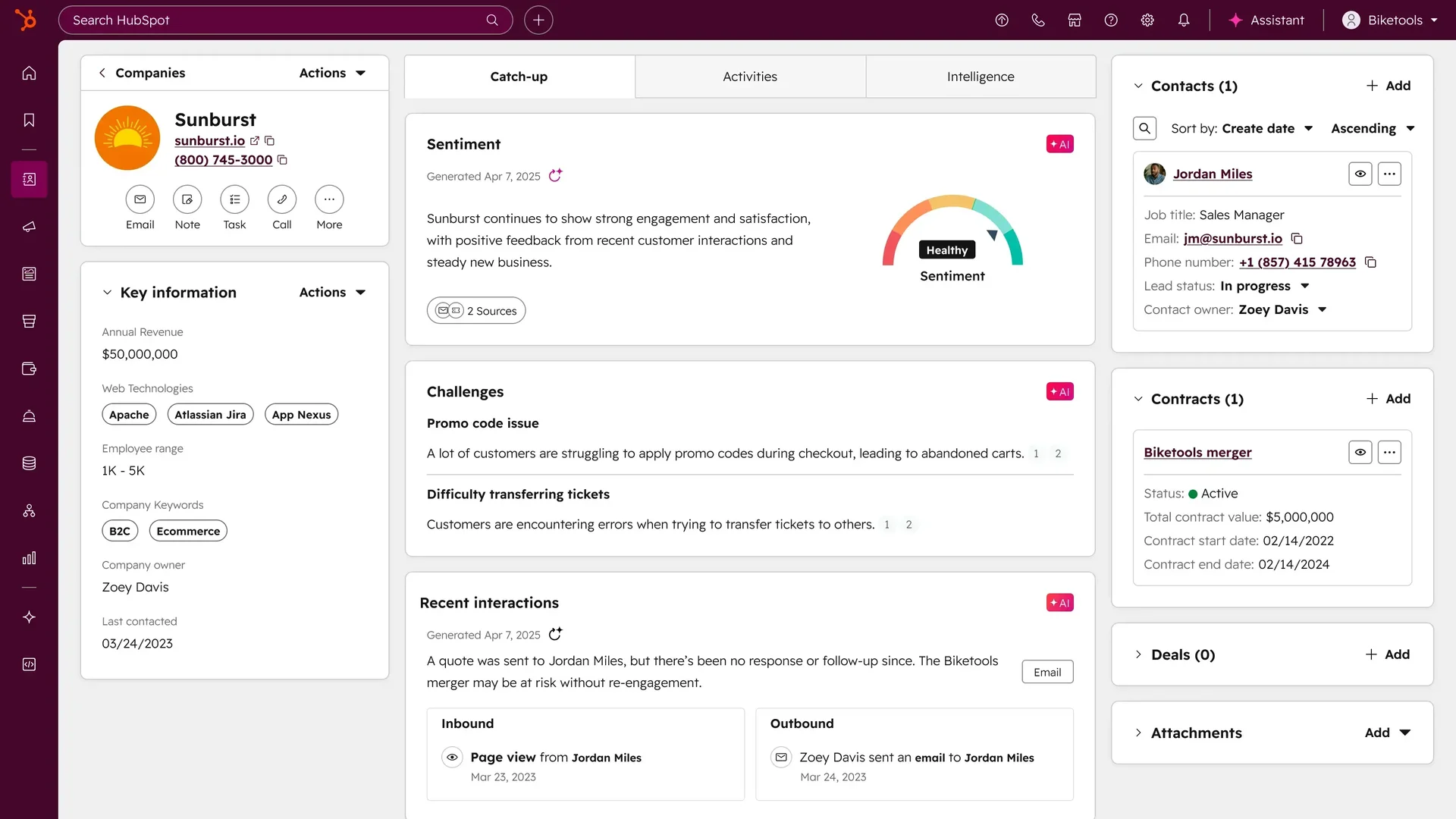
HubSpot is widely recognized for its marketing capabilities, particularly inbound lead generation, but it also offers a comprehensive Smart CRM solution. It unites marketing, sales, and customer service on a single AI-powered platform to support the entire customer journey. HubSpot stands out for its user-friendly interface and visual workflow editor, empowering users to build automated workflows for lead scoring, nurturing, email marketing, and customer support. However, HubSpot’s rising costs can be a concern as businesses scale, especially when advanced marketing, automation, or reporting features are required. Some users also find that customization options are limited compared to enterprise-focused CRM systems.
Key features:
- Unified contact database
- Intelligent workflow automation
- Marketing Hub is supported by AI-powered tools to help attract, convert, and engage leads
- Sales Hub helps build visual sales pipelines, streamline sales processes, and close deals with AI
- Service Hub powered by AI scales support and drives customer retention
- AI-powered capabilities for content generation, email writing, etc.
- Analytics and custom reporting
- HubSpot Marketplace with over 2,000 business applications
Pricing:
Pricing for HubSpot CRM starts at $49 per user per month for the Smart CRM solution. The Sales and Service Hubs begin at $90 per user per month, while the Marketing Hub starts at $880 per month for three users.
See also: Top 10 HubSpot Alternatives & Competitors
4. Zoho CRM
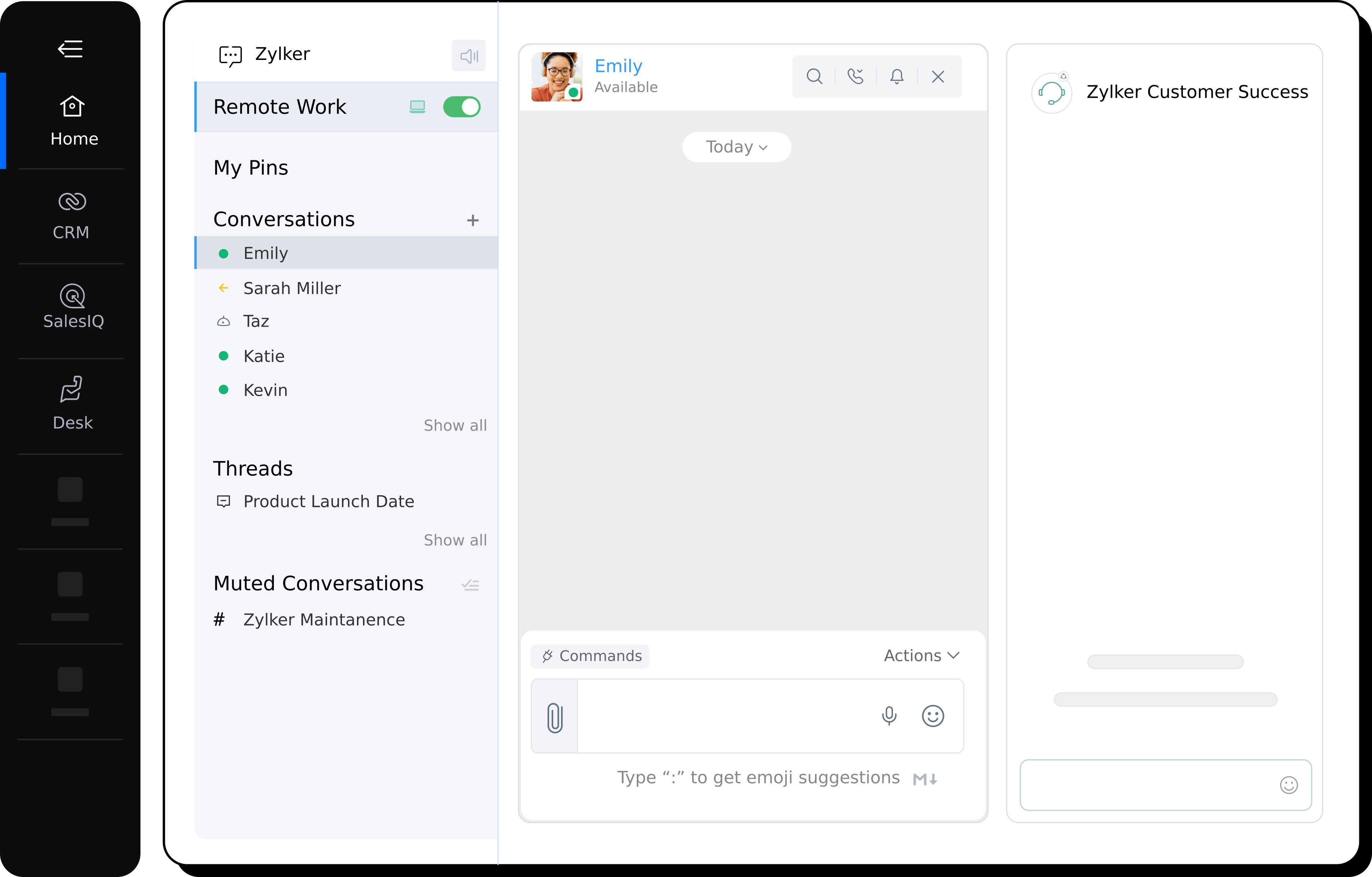
Zoho CRM is a customer relationship management platform that provides a centralized view of customer interactions, supports multichannel communication, and offers automation for routine tasks across departments. With built-in analytics, workflow tools, and AI assistance, businesses can streamline processes and enhance customer engagement. The Zoho CRM system is commonly used by small and mid-sized companies, however, its capabilities may feel limited for larger businesses or enterprises that require more advanced customization, intelligent automation, or unique workflows.
Key features:
- 360-degree customer view
- Omnichannel engagement
- Team collaboration
- Process management
- AI assistant Zia predicts trends, identifies customer sentiment, provides recommendations, and offers intelligent business dashboards
- Analytics and reporting
Pricing:
Zoho's pricing starts at $57 per user per month.
See also: Top 10 Zoho CRM Alternatives and Competitors
5. Microsoft Dynamics 365
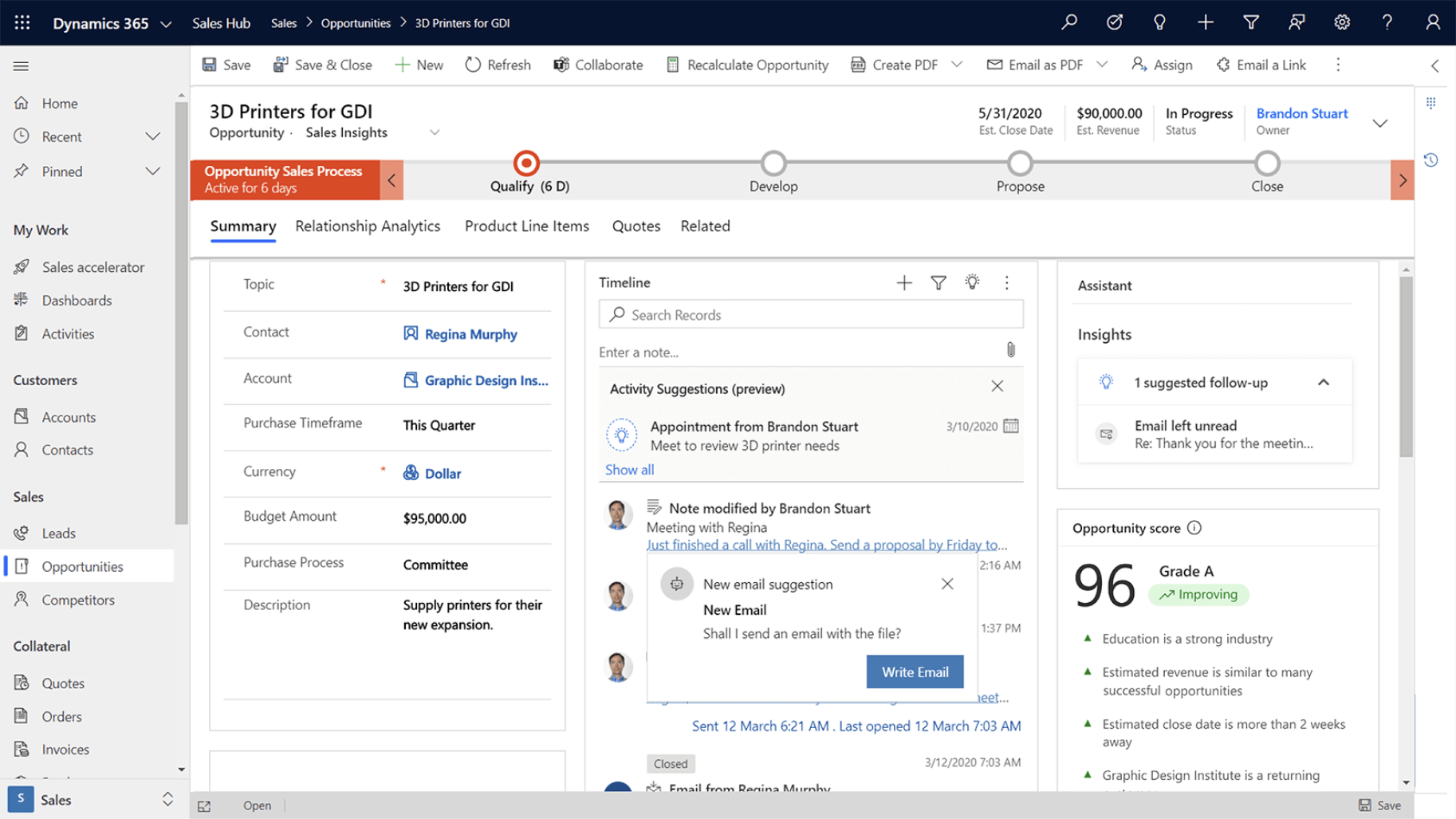
Dynamics 365 is an integrated suite of AI-powered enterprise resource planning and CRM applications developed by Microsoft. Alongside basic sales and marketing products, the platform also offers solutions for finance, project operations, contact centers, supply chain management, HR, commerce, and other areas. With AI-powered Copilot, teams can identify churn risk, estimate customer lifetime value, identify common trends, and receive data-driven recommendations to enhance the customer experience. Dynamics 365’s main drawbacks are its complexity and difficult implementation, which often require dedicated IT resources or external consultants. The costs of ownership can quickly increase as organizations add more tools and advanced capabilities.
Key features:
- Seamless integration with the Microsoft ecosystem
- Intelligent workflow automation
- Advanced analytics and reporting
- Microsoft Copilot
- Dynamics 365 Sales helps close more deals with AI assistance
- Dynamics 365 Customer Service support faster case resolution with automation and AI
- Dynamics 365 Customer Insights supports more personalized customer journeys
Pricing:
Pricing for Dynamics 365 starts at $50 per user per month for Customer Service and $65 for Sales. Dynamics 365 Customer Insights costs $1,700 per tenant per month.
6. Flowlu
Flowlu is an all-in-one platform that combines CRM with project work, billing, and team collaboration. It is a good software choice for service businesses that need to manage leads and clients, then deliver work and get paid without bouncing between separate tools. You can track contacts, companies, and opportunities, link deals to projects, and keep the full history of emails, tasks, and files in one place.
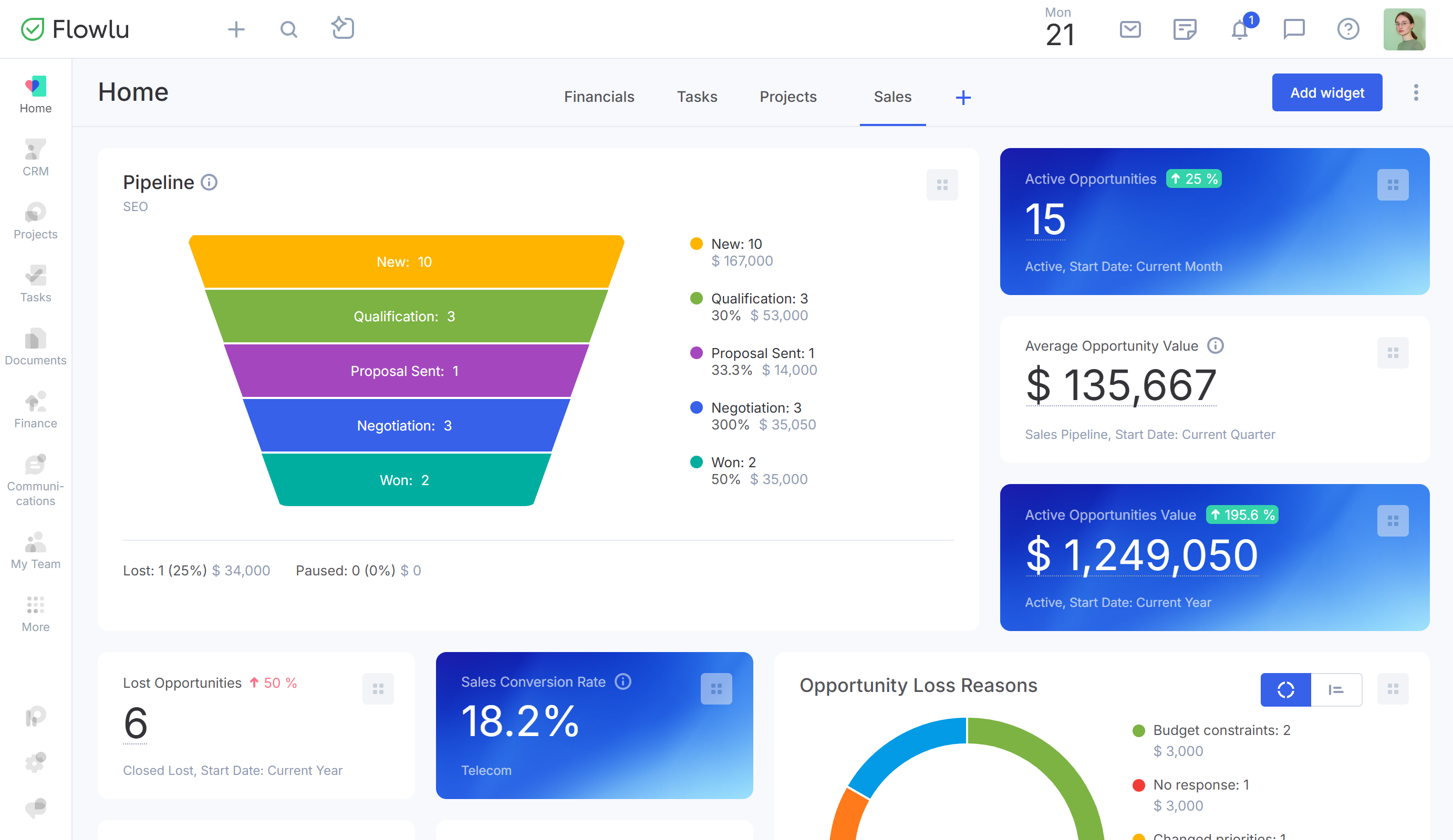
A nice part of Flowlu is what happens after the sale. Teams can run projects with kanban and Gantt views, track time and expenses, and create estimates, invoices, and recurring invoices from the same workspace. If you work with external stakeholders, the client portal gives customers a controlled view of projects and invoices so updates do not live only in email threads. Moreover, Flowlu includes a knowledge base that can be internal or shared publicly, which helps support teams reduce repeat questions.
Key features:
- Sales pipelines and opportunity tracking
- Integrated project and task management
- Time tracking and expenses
- Estimates and invoicing with online payments
- Client portal for external access
- Knowledge base
- Sales & workflow automation
Pricing:
Flowlu offers a Free plan. Paid tiers start from $9 per user per month.
7. BIGContacts
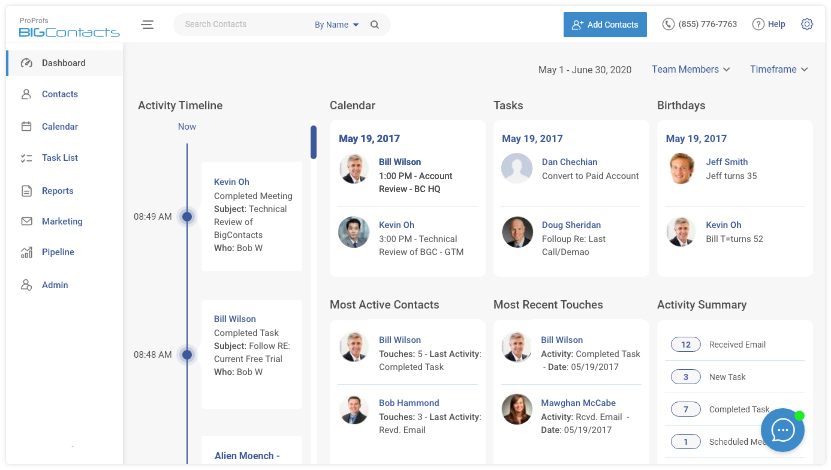
BIGContacts by ProProfs is a contact management and CRM platform built for growing businesses that want powerful sales and marketing tools without a steep learning curve. It combines contact organization, sales pipeline tracking, and email marketing automation into a single, easy-to-navigate system, helping teams capture more leads, close more deals, and retain more customers. BIGContacts stands out for its AI-powered features that qualify leads, draft and improve emails, flag stalled deals, and summarize reports automatically, all wrapped in an interface simple enough for a whole team to adopt without training. Add in 24/7 phone, chat, and email support, and BIGContacts is built to be as painless to use as it is powerful.
Key features:
- AI Relationship Manager that captures, qualifies, and follows up on leads automatically
- AI Campaign Designer that builds full email campaigns from a simple prompt
- AI Email Assistant that drafts and refines outgoing emails
- AI-powered dashboard that scores leads, flags inactive contacts, and surfaces missed opportunities
- Customizable sales pipeline with automated follow-ups and drip campaigns
- Workflow automation for tasks, reminders, and recurring processes
- 100+ built-in and custom reports for sales, marketing, and team activity
- Integrations with Outlook, Google Workspace, QuickBooks, Zapier, and more
Pricing:
BIGContacts offers a free-forever plan for a single user with up to 100 contacts. The Business plan is priced by contact volume rather than by user, starting at $9.99 per month per 1,000 contacts (minimum 2,000 contacts) when billed annually, so teams can add unlimited users at no extra cost. Custom enterprise pricing is available for businesses with 20,000+ contacts.
Best Sales CRM Tools
8. Creatio Sales
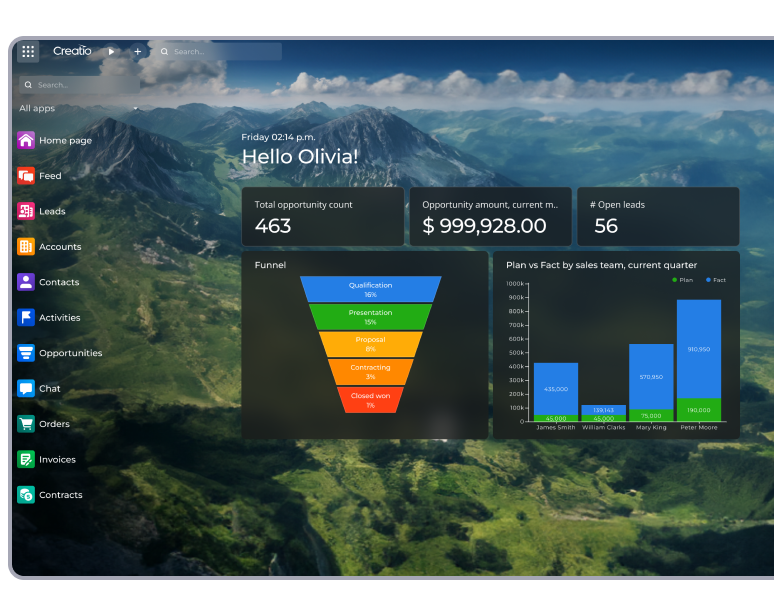
Creatio Sales CRM is a new era sales platform to manage the end-to-end sales cycle with no-code and AI at its core. Creatio empowers sales teams to work more efficiently and strategically by leveraging AI agents to automate routine tasks and provide deeper insights. With a 360-degree view, teams gain a unified perspective on leads, opportunities, accounts, and activities, enabling them to manage complex sales cycles and customer relationships.
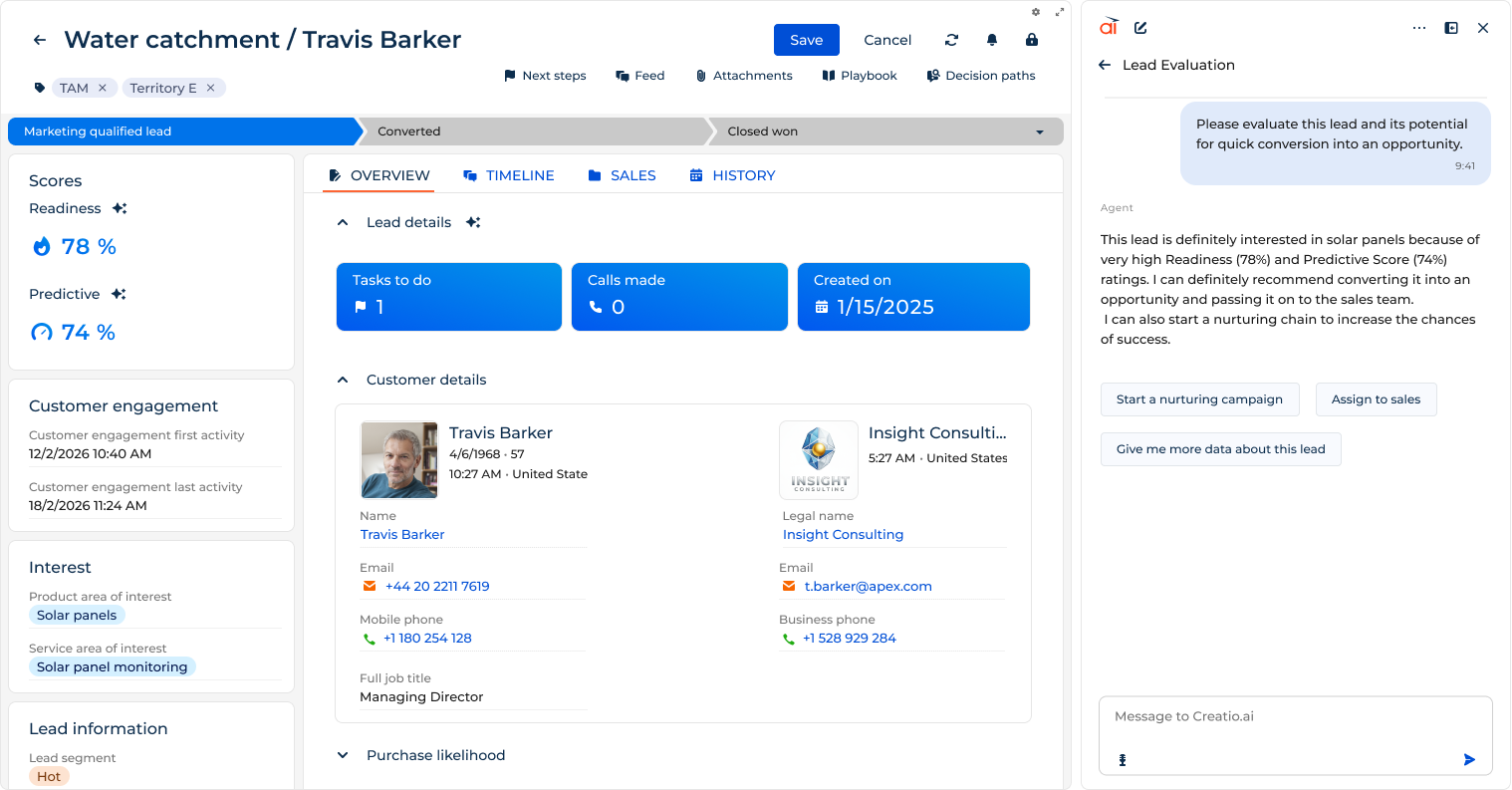
Creatio Sales CRM software leverages AI agents to increase speed, accuracy, and sales effectiveness. AI agents help capture, score, and engage leads, ensuring new opportunities are qualified and nurtured without delay. The platform autonomously identifies promising prospects, updates pipeline data, and tracks sales activities with zero manual effort, allowing teams to focus on high-value interactions rather than administrative tasks. Sales reps can also benefit from real-time AI recommendations that guide their next best action, helping them move deals forward.
With its composable and scalable architecture, Creatio Sales CRM is well-suited for companies seeking to streamline sales operations, enhance team collaboration, and maintain flexibility as their sales processes evolve.
Key features:
- Customer 360
- Lead and opportunity management
- Sales productivity
- Sales forecasting
- Order and contract management
Creatio offers a range of powerful sales AI agents, including:
- Account Research Agent
- Lead Scoring Agent
- Quote Generation Agent
- Meeting Preparation Agent
- Forecasting Agent, and more.
Pricing:
Pricing for Creatio Business and AI Studio starts at $40 per month, with Sales, Marketing, and Service products available for $15 per user per month. All plans include core functionality and AI-powered capabilities.
9. Pipedrive
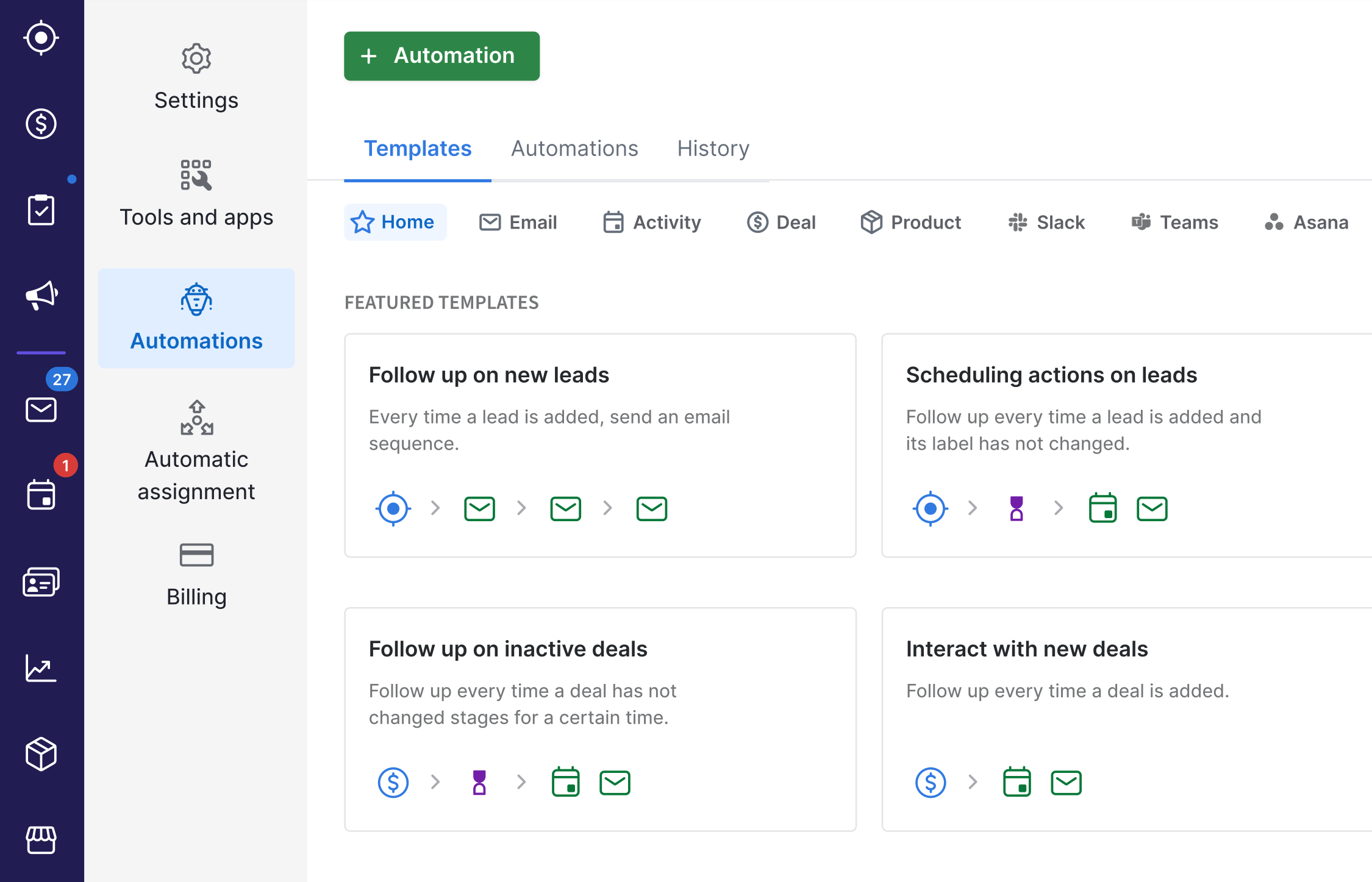
Pipedrive offers a cloud-based CRM solution designed to help companies streamline their sales processes and close more deals. It provides a centralized sales hub that enables sales teams to collaborate, automate workflows, and consistently move deals through the pipeline. By combining lead management, communication tools, workflow automation, and deal tracking in one system, Pipedrive enables sales teams to enhance the customer journey and overall customer experience. However, Pipedrive doesn’t support advanced sales forecasting, customization, or complex sales processes, and its reporting features, while easy to use, may also fall short for teams that require more sophisticated analytics.
Key features:
- Sales pipeline management
- Lead generation chatbot
- Lead qualification
- Contact management
- Customizable reports and visual dashboards
- AI-powered next best action, email generator, and sales report generation
- Integrations with over 500 business applications
Pricing:
Pricing for the Pipedrive CRM solution starts from $14 per user per month.
10. Close CRM
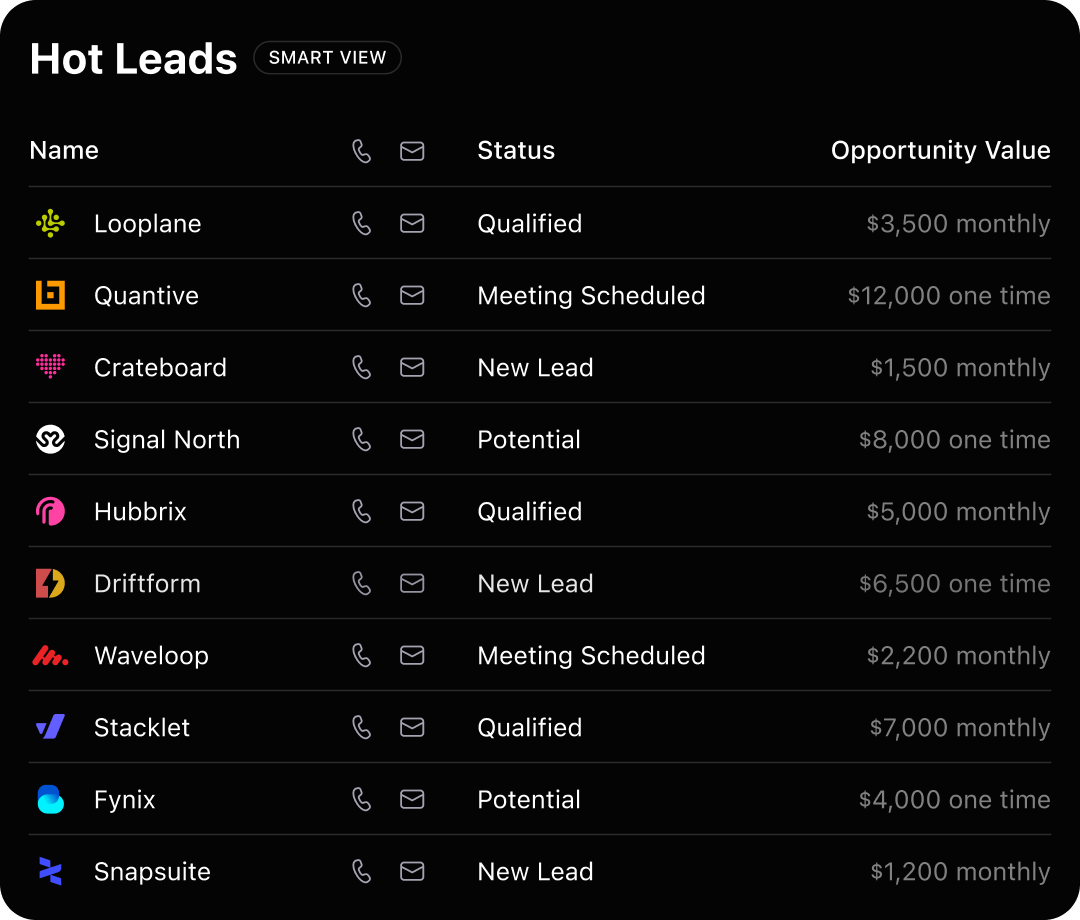
Close CRM is a sales management tool and outreach CRM platform designed to help companies manage lead generation, communication, and deal tracking without needing a complicated tech stack. By combining lead and contact management, built-in communication tools, automation, and reporting, Close CRM helps small sales teams automate repetitive outreach tasks and maintain full visibility of conversations. This can lead to faster deal cycles, fewer missed follow-ups, and a more organized, sales-focused workflow, especially for teams that rely heavily on outreach and direct contact. On the other hand, Close CRM’s focus on communication and outreach means its sales forecasting and enterprise-level sales features are more limited compared to broader CRM tools.
Key features:
- Lead page that consolidates calls, texts, emails, tasks, notes, and deals
- Contact management
- Automated workflows
- Built-in reporting tools for sales rep activity
- Meeting scheduling and automated follow-ups with emails and SMS
- CRM data capture with custom fields
- Integrations with over 100 applications
- Close AI for sales activities, such as call summaries, forecasting, email drafting, research, lead enrichment, etc.
Pricing:
Pricing for Close CRM starts at $35 per user per month.
Best Marketing CRM Tools
11. Creatio Marketing
Creatio Marketing is a CRM tool designed to accelerate the entire lead-to-revenue cycle by combining no-code flexibility with native AI capabilities. Marketing specialists can use the platform to build and enrich 360° customer profiles, segment audiences based on behavior, intent, preferences, and lifecycle stage, all without manual CRM data management. This creates a living, dynamic customer database that evolves in real time and serves as the foundation for more accurate targeting and personalization.
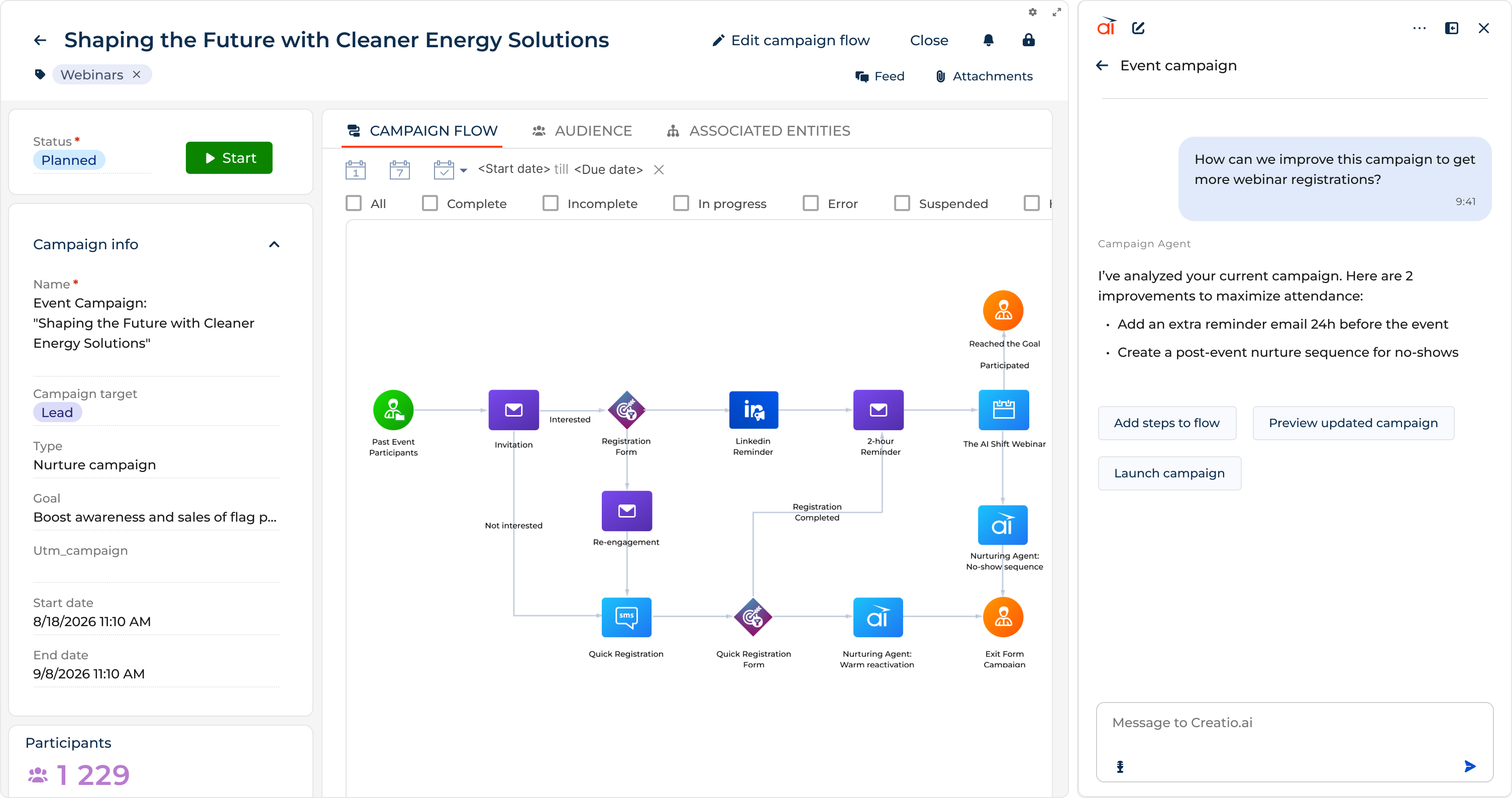
AI agents play a central role in driving productivity and increasing the effectiveness of marketing efforts. They capture, score, and qualify leads, launch nurturing journeys, and automatically hand off ready-to-convert prospects to sales reps. AI agents build and coordinate campaigns across email, SMS, digital ads, and other channels, while tracking their impact in real-time. They also help generate and personalize content for each segment, journey stage, and channel, continuously learning which messages resonate best and refining them without human intervention.
Key features:
- Customer 360
- Lead management
- Campaign management
- Email marketing
- Digital Ads
- Event Management
Creatio offers a range of powerful marketing AI agents, including:
- Marketing Content Agent
- Email Generation Agent
- Campaign Agent
- Lead Scoring Agent
- Lead Distribution Agent
Pricing:
Pricing for Creatio Business and AI Studio starts at $40 per month, with Sales, Marketing, and Service products available for $15 per user per month. All plans include core functionality and AI-powered capabilities.
12. Mailchimp CRM
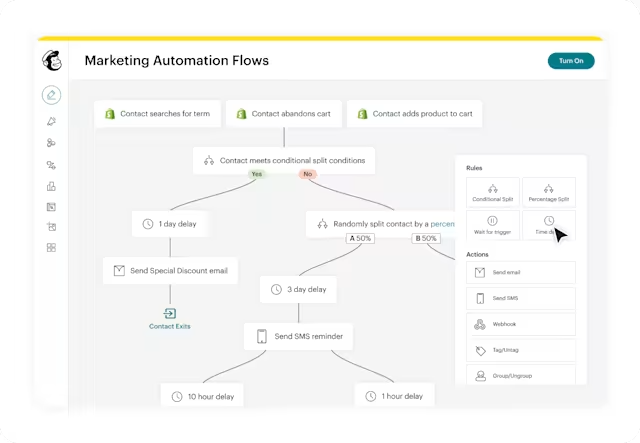
Mailchimp is primarily known as a marketing automation and email marketing platform, but it also offers marketing CRM software. Mailchimp CRM helps marketing teams gain a holistic view of their audience, organize contact information, gain valuable insights, and build personalized experiences. With Mailchimp marketing CRM, businesses can build stronger relationships with their customers and engage with them more efficiently through email, SMS, and social media. Mailchimp is best suited for small businesses and individuals who only require basic marketing tools to run marketing campaigns, while businesses with complex marketing workflows may quickly outgrow the platform's capabilities.
Key features:
- Email and SMS marketing
- Marketing automations
- Content creation tools
- Social media marketing
- Reporting and analytics
- Lead generation platform
- Integration with over 300 third-party applications
Pricing:
Pricing for Mailchimp starts at $20 per user per month.
13. Keap
Keap is a CRM tool designed to help sales and marketing teams manage contacts, automate marketing outreach, and streamline customer communication on one platform. Keap CRM system offers pre-built templates and custom automation for follow-up sequences, reminders, and personalized customer journeys - allowing small businesses to stay responsive and organized even with limited resources. Keap’s CRM solution is not suitable for larger teams or businesses with more complex marketing operations, as its automation, reporting, and customization options are not as advanced as other CRM platforms.

Key features:
- Sales and marketing automation workflows
- Email marketing tools
- SMS marketing
- Landing pages & web forms
- AI Content Assistant for email generation
- AI Automation Assistant for building campaign workflows
- Automated marketing follow-ups with personalized content and messages
Pricing:
Pricing for Keap starts at $299 per month for 2 users, with a limit of 1,500 contacts.
Best Customer Service CRM Tools
14. Creatio Customer Service
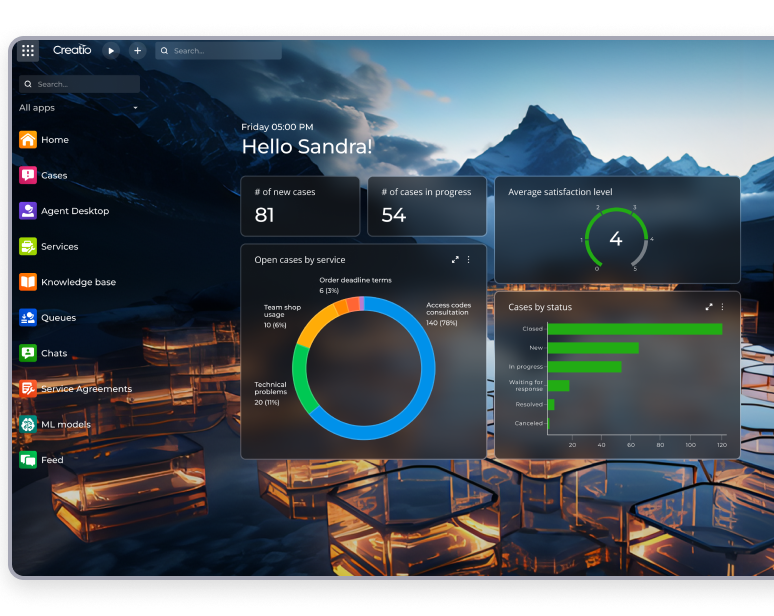
Creatio Service is a new-era service platform designed to help organizations deliver high-quality customer support by combining no-code tools and AI capabilities. The system provides customer service teams with a full 360° view of every customer interaction, with AI agents unifying data from all channels to provide context and recommendations. This enables human agents to deliver personalized resolutions without needing to switch screens or perform manual search, resulting in faster and more seamless support experiences.

AI-driven automation is at the core of Creatio Service, supporting all customer service needs. AI agents autonomously triage inquiries, analyze customer interactions, resolve simple issues, and route complex cases to the right experts in real-time. This reduces handling time, increases first-contact resolution rates, and ensures a consistent omnichannel experience across voice, chat, and digital touchpoints. Additionally, customer service AI agents improve knowledge bases by automatically creating, updating, and recommending the most relevant articles, empowering both agents and customers with accurate, real-time solutions through self-service and guided resolution.
Key features:
- Case management
- Customer 360
- Contact Center
- Knowledge Management
- Customer Service Rep Productivity
Creatio also offers a range of powerful marketing AI agents, including:
- Customer Support Agent
- Knowledge Base Agent
- Case Classification Agent
- Service Playbook Agent
- Next Best Action Agent
Pricing:
Pricing for Creatio Business and AI Studio starts at $40 per month, with Sales, Marketing, and Service products available for $15 per user per month. All plans include core functionality and AI-powered capabilities.
15. Zendesk
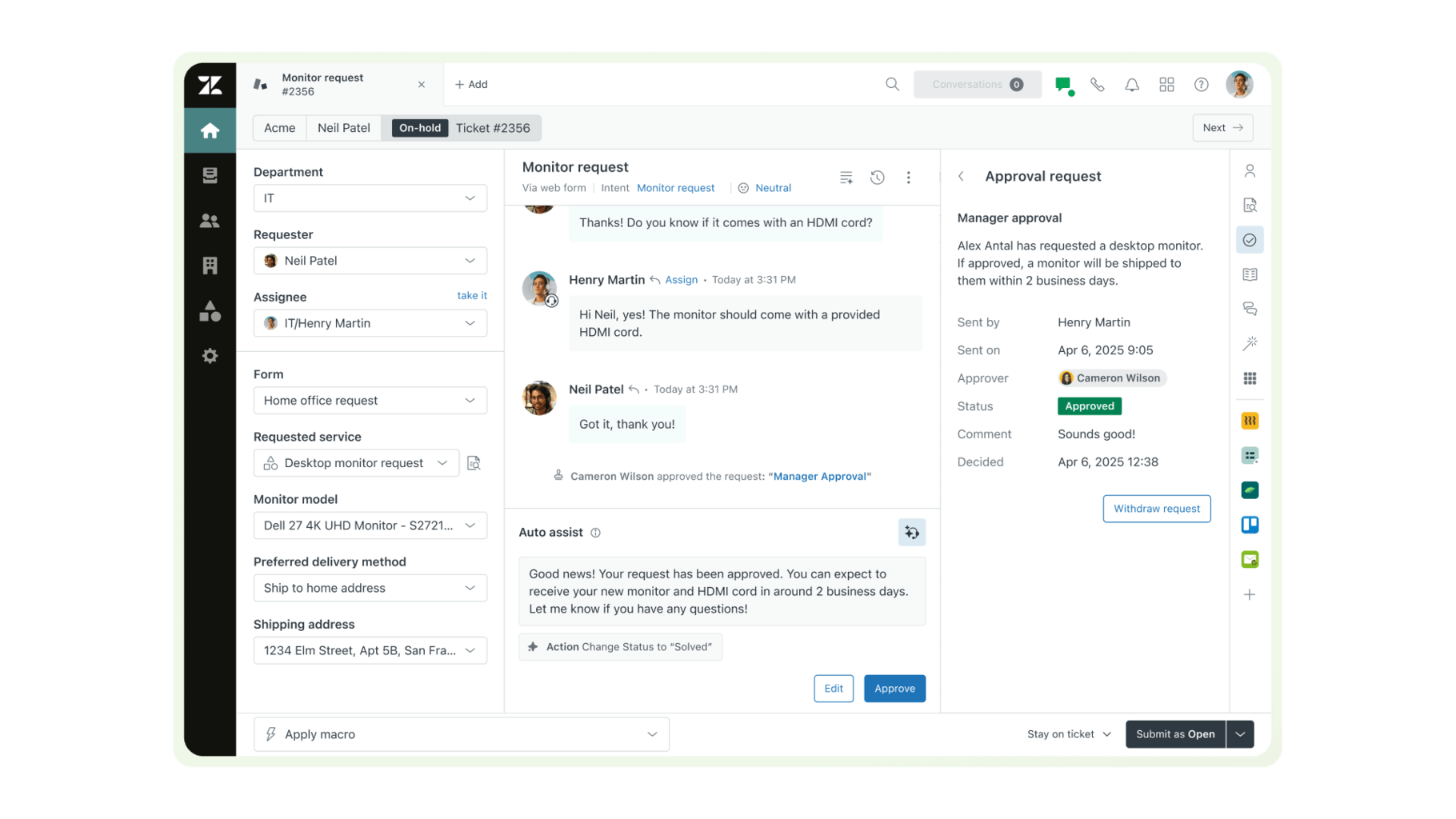
Zendesk is a dedicated customer service CRM powered by AI, built to help companies manage and resolve support inquiries across multiple communication channels. It offers customer service teams the tools to respond to issues, track conversations, and maintain consistent service quality. Zendesk platform collects customer data and questions from email, chat, phone, social media, and other channels into a single workspace, allowing agents to work more efficiently and with the full context of previous interactions. While Zendesk is a good solution for small and mid-sized businesses, it may be less suitable for organizations that require in-depth customization or more complex, non-ticket-based workflows.
Key features:
- AI agents for managing customer interactions
- Help center
- Messaging and live chat
- Analytics and reporting with pre-built dashboards
- Ticket tracking, organizing, and solving
- Customizable workflows, data, and workspace
- Integrations with popular third-party applications, such as Slack, Shopify, Teams, and more
Pricing:
Pricing for Zendesk starts at $19 per user per month for basic capabilities. Advanced AI capabilities and features are available for an additional fee.
16. Freshdesk
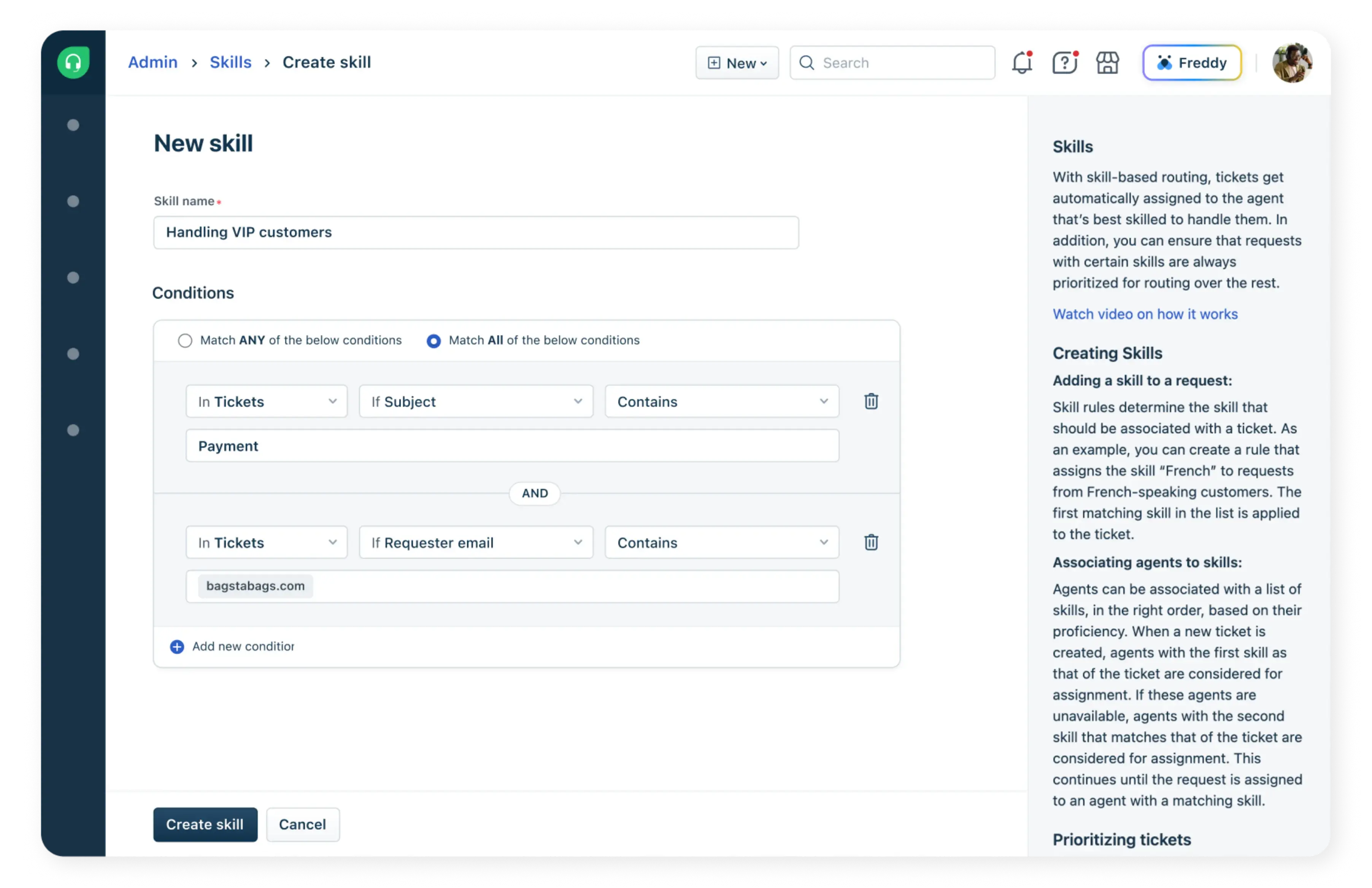
Freshdesk is a help desk and customer-service CRM software from Freshworks, designed to streamline customer service functions and deliver consistent support with the aid of AI tools. Freshdesk consolidates all customer communication into a unified workspace, converting requests into structured support tickets that can be tracked, prioritized, and resolved in a centralized system. By using Freshdesk customer service CRM software, support teams can shorten their response times, reduce manual workload, better track customer issues, and improve team collaboration. However, Freshdesk’s advanced features, integrations, and analytics capabilities are locked behind higher-tier plans, which can significantly increase the total costs of ownership.
Key features:
- Automated ticketing
- Vertical AI agents and prebuilt agentic workflows for repetitive queries
- Command Center that consolidates conversations, customer insights, and AI intelligence
- AI Copilot for summaries, live translations, and reply suggestions
- Integrations with over 1000 tools and applications
Pricing:
Pricing for the Freshdesk CRM solution starts at $49 per agent per month for a plan that includes AI capabilities. Some advanced features are only available in the highest-tier plan.
What to Look for in CRM Tools
Choosing the right CRM tool depends on your business’s needs and preferences. While every CRM has its own strengths, the best systems share a few key features that help teams stay organized, improve communication, automate manual work, and provide a clearer understanding of customer relationships.
Here’s a list of key features to look for in CRM software:
- Centralized 360-degree customer view - a unified place to store and update customer data, history, preferences, and interactions.
- Omnichannel communication - ability to manage email, phone, chat, SMS, social media, or help-desk messages within the platform.
- Automated workflows - rule-based sequences that trigger actions (e.g., send an email, assign a task, update a status) to keep business processes running smoothly without manual input.
- AI-powered tools - AI assistants or AI agents that reduce manual work, improve productivity, and support data-driven decisions by providing predictive insights and best-action recommendations, generating content, intelligently routing incoming leads, and more.
- Role-specific functionality - features tailored to sales (sales pipeline tracking), marketing (campaign automation), or customer service (ticketing and support workflows), depending on your operational needs.
- Dashboards & reporting - provide visibility into performance metrics, customer trends, and operational bottlenecks.
- Integration ecosystem - compatibility with email tools, marketing automation platforms, accounting software, calendars, support apps, or business systems you already use.
- Scalability & customization - options to tailor fields, workflows, roles, and permissions as your team or processes grow.
- Data security & user permissions - strong privacy, role-based access, and compliance tools to protect customer data and manage user rights.
Popular Use-Cases of CRM Tools
CRM solutions support a wide range of business functions, and their use cases often vary depending on which team is using the platform. Each department leverages CRM capabilities differently, but there are several widely adopted use cases that illustrate the core value of CRM systems across an organization.
Here are some of the most popular examples of CRM use cases:
- Capturing and qualifying leads – CRM collects leads from forms, websites, ads, and events, and automatically scores or categorizes them.
- Managing sales pipelines and deals – sales teams can track opportunities through each stage of the sales process, forecast revenue, and identify bottlenecks.
- Automating marketing campaigns - marketers can design and set up automated email/SMS sequences, nurturing flows, and promotional campaigns.
- Segmenting customers - CRMs group customers based on behavior, demographics, lifecycle stage, or engagement for targeted marketing messaging.
- Personalizing customer experiences – data stored in CRM tools can be leveraged by marketing and sales teams to provide highly personalized experiences tailored to individual needs and preferences.
- Managing customer inquiries - CRM stores, analyzes, and routes customer inquiries to the right agents for fast case resolution.
- Providing omnichannel interactions – businesses can engage with customers across multiple channels while maintaining conversation continuity with a unified view of all previous interactions.
- Gaining AI-powered insights & recommendations - AI agents support employees with predictive forecasting, churn prediction, account summaries, next-best-action recommendations, and business intelligence.
- Increasing productivity with AI-powered tools – AI agents and assistants automatically draft emails, generate conversation summaries, perform sentiment analysis, route customer inquiries, and much more.
- Automating workflows and tasks - CRM automates routine tasks like data entry, follow-ups, meeting scheduling, task assignments, internal notifications, etc.
Summary
Customer relationship management tools support every stage of the customer lifecycle, from lead generation and marketing engagement to sales execution and long-term service delivery. The market offers a diverse ecosystem of platforms, each designed with different strengths in mind: sales-focused CRMs streamline deal management and outreach, marketing platforms automate campaigns and nurture customer relationships, while service-oriented systems centralize inquiries and improve support operations. More comprehensive solutions provide broader, often enterprise-grade capabilities that unify sales, marketing, service, and operations.
When choosing the best CRM, businesses should assess their priorities and define if they need advanced sales automation, marketing capabilities, streamlined service operations, or a comprehensive platform that ties everything together. With the right CRM in place, organizations can strengthen customer relationships, increase efficiency, and drive business growth. Try Creatio’s free demo and find out what a modern CRM can do for your business.
